ALTA's Best Practices: The Guide to Securing Your Closings
The American Land Title Association (ALTA) updated its Best Practices Framework (Version 4.2) and released new Identity Verification Guidance to help title and settlement companies combat rising real estate fraud—such as seller impersonation, forged deeds, and synthetic identities—by recommending documented identity fraud prevention programs, enhanced monitoring of signing professionals, and specific identity verification methods to protect consumers and lenders.
New
Proof launches portable digital identity for banks
Introducing portable identity

Updated August 4, 2026
The American Land Title Association (ALTA) recently released two guidance documents that will change how the industry combats rising rates of fraud in real estate transactions. With the newly updated Best Practices Framework (Version 4.2) and companion Identity Verification (IDV) Guidance, ALTA provides title and settlement companies a clearer understanding of how technology can safeguard your closings from fraud, forgery, and impersonation.
The takeaway is simple: protecting the industry and consumers from fraud requires robust identity verification. And the tools you choose, whether human oversight, training, or technology, will determine how your company can meet industry expectations and keep fraud out of your pipeline.
Why ALTA Updated Its Guidance
Real estate fraud is on the rise. Seller impersonation scams, forged deeds, and synthetic identities are no longer outliers. They are repeat tactics draining billions from consumers and lenders every year. ALTA’s new publications reflect this reality.
- The Best Practices Framework now recommends companies to adopt a documented identity fraud prevention program and monitor signing professionals more closely to ensure compliance, proper licensing, and insurance.
- The new Identity Verification Guidance outlines specific methods agents can use to answer three critical questions in every transaction:
- 1.Is this a valid government ID?
- 2.Does the person on the ID match the individual in front of me?
- 3.Is this person the actual party to the transaction?
In short: the responsibility to verify is no longer optional, and ALTA is calling on the industry to adopt a layered approach that combines people, process, and technology.
Best Practices for Notarization and Signing Professionals
ALTA’s updates make it clear that oversight of notaries and signing professionals is not one-size-fits-all. Depending on the situation, different rules apply to meet the best practices.
Title Company Employees
When the notary is on your payroll, your company must:
- Conduct background checks on employees who notarize or access settlement documents.
- Train staff on real estate fraud risks, including impersonation schemes targeting buyers, sellers, and borrowers.
- Control which signing professional meets with consumers.
- Provide tools to validate domestic and foreign IDs.
- Establish protocols to detect and escalate suspected fraud.
Proof helps by giving in-house notaries access to robust fraud training and integrated ID tools directly through the Proof platform.
Third-Party Signing Professionals
If you rely on notaries outside of your company (for example, through Proof’s vetted Notarize Network, ALTA requires documented proof of:
- State licensure (where required) or verifiable industry designation.
- E&O insurance and surety bond coverage (when mandated by state law or Title Insurer).
- Evidence that notaries have fraud training and access to ID verification tools.
- Ongoing vendor oversight to ensure compliance.
Proof assumes this responsibility for its network, delivering compliant, trained, and authorized notaries for remote online notarizations. Proof also ensures that notaries on the Notarize Network are approved by the National Notary Association.
Remote Online Notarization (RON)
With RON, the Best Practices are even more specific:
- The RON platform must meet state standards, state-authorized, and Title Insurer approved.
- It must retain video recordings and safeguard NPI.
- Fees must align with state regulations.
The Proof platform was purpose-built to meet and exceed these requirements, giving title companies confidence that every transaction is both legal and defensible.
Breaking Down ALTA’s Identity Verification Guidance
ALTA’s IDV Guidance is essentially a checklist of recommended methods to prevent impersonation and forgery. It emphasizes that no single tool can prevent fraud. A layered verification process is the new standard.
Key methods include:
- 1.Government ID Verification – Checking IDs for authenticity, tampering, and consistency.
- 2.Database Verification – Matching PII (name, DOB, SSN, address) against authoritative data sources.
- 3.Personal References – Independently contacting real estate agents, lenders, or attorneys.
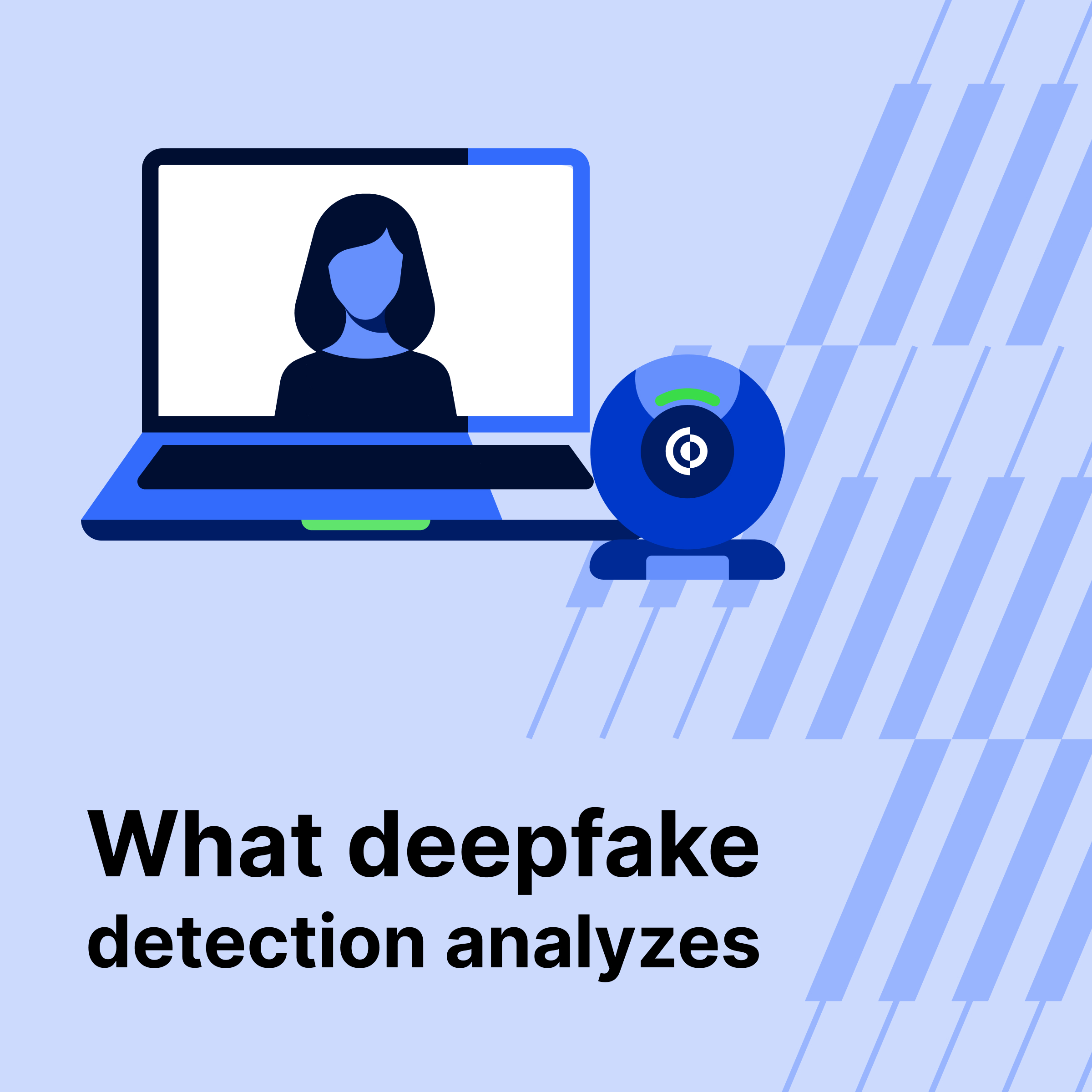
- 4.Biometric Verification – Comparing a real-time selfie to the ID photo, plus liveness detection.
- 5.Open-Source Checks – Searching public data tied to phone numbers, emails, and photos.
Fraud indicators such as geographic mismatches, unusual timing, and repeated failed verifications should trigger escalation procedures. Companies are expected to document their response plan and notify law enforcement when necessary.
How Proof Helps Title Companies Comply
The Proof platform solves the very challenges ALTA’s guidance highlights. By combining trusted notaries, credential checks, biometric tools, and fraud analytics, Proof makes compliance straightforward while protecting both consumers and settlement agents.
Here’s how Proof maps directly to ALTA’s recommendations:
- Trusted and Vetted Notarization: Proof’s notary network meets state authorization and insurer approval requirements.
- Credential Analysis & Multi-Factor Verification: IDs are validated using government databases, barcodes, and fraud-detection algorithms.
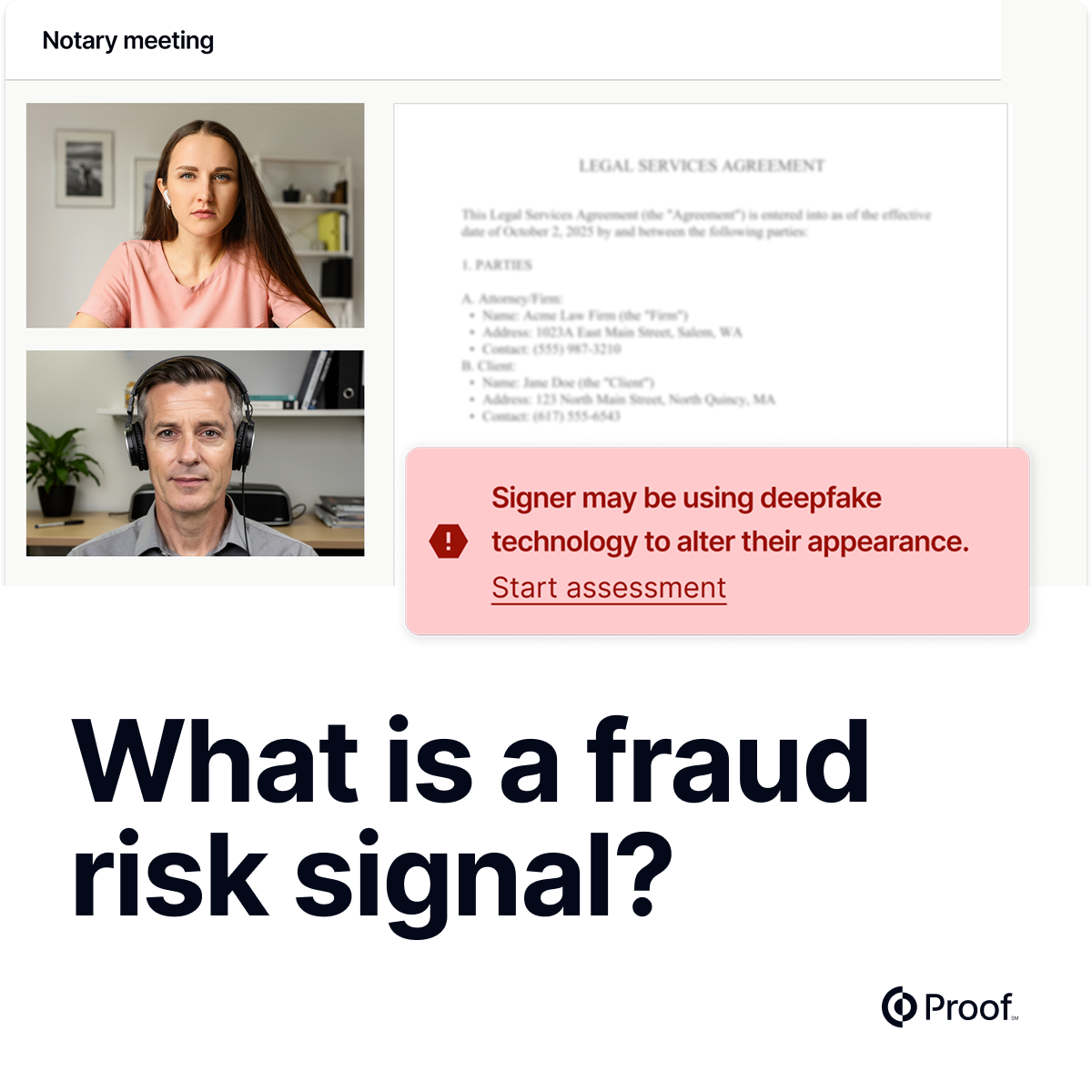
- Biometric Liveness Checks: Real-time selfies are compared against ID photos, preventing spoofing and deepfakes.
- Database & Device Intelligence: Defend by Proof adds signals like phone number risk, synthetic identity detection, and device fingerprinting.
- Audit Trails & Record Retention: Every transaction creates a secure digital record, protecting against disputes.
- Fraud Awareness Training: Notaries using Proof receive specialized training on recognizing fraud schemes.
The result is a layered defense that aligns with ALTA’s mandate: do not rely on a single method, combine multiple verifications for maximum protection.
What Comes Next
ALTA’s updates indicate the hard truth: identity fraud prevention is not static. The guidance will evolve as fraudsters adapt. That means settlement companies need technology partners who update just as quickly.
At Proof, we see ALTA’s updates not as a compliance hurdle, but as validation of the work we have already been doing: protecting every transaction with a network built on trust, identity, and security.
The updated ALTA Best Practices and Identity Verification Guidance set a higher standard that your clients will expect you to meet. By adopting Proof, title companies can:
- Protect against seller impersonation and forgery.
- Give underwriters confidence in the integrity of your process.
- Safeguard NPI while meeting compliance obligations.
- Deliver smoother, faster closings backed by trusted fraud prevention and identity checks.
The message from ALTA is clear: identity matters. With Proof, title companies can stay ahead of fraud and keep every closing secure.
Stay compliant. Stay protected. See how Proof helps title companies streamline closings.























.jpg)




































.jpg)