Cyber Risk Is Now Business Risk | Proof
The 2025 Global Cybersecurity Outlook reveals that cyber risk has become a critical business threat, especially in high-trust industries like finance and real estate, with identity-based attacks rapidly increasing and most organizations failing to adequately integrate cybersecurity measures into their enterprise risk models, highlighting a growing gap between awareness and effective action.
New
Proof launches portable digital identity for banks
Introducing portable identity

Updated August 11, 2026
Cyber risk is a live business threat. Most organizations are still playing catch-up. The 2025 Global Cybersecurity Outlook from the World Economic Forum makes one thing clear: awareness without action is not a strategy. Based on input from over 140 global leaders across business and cybersecurity, the report confirms a widening gap between what organizations know about cyber risk and what they are actually doing about it.
Cyber risk is the probability that a threat, a system weakness, or a human action will compromise the confidentiality, integrity, or availability of your information systems, resulting in financial, operational, or reputational damage. It belongs in every enterprise risk model, not just the IT department's queue.
For organizations in high-trust industries including finance, insurance, real estate, and lending, the report is a direct call to action. Identity threats are rising. Defensive measures are unevenly applied. And the cost of a missed fraudulent transaction is measurable.
Key takeaways
- Identity-based attacks including credential phishing, deepfakes, and synthetic IDs are now the fastest-growing threat vectors, and they show up inside real workflows like loan originations, real estate closings, and account recovery requests.
- Only 30% of organizations have integrated cybersecurity metrics into enterprise risk models, which means the riskiest moments in the business (authorizations, transactions, data handoffs) are also the least measured.
- AI is simultaneously scaling sophisticated attacks and enabling real-time fraud detection. The organizations that stay ahead are the ones that have built identity controls and governance to use AI defensively.
- Closing the gap between cybersecurity intent and execution requires embedding identity verification, fraud detection, and cryptographic records into every authorization moment, before a transaction is approved.
Why cyber risk is now a business risk
Cyber risk has crossed out of the IT silo. When a fraudulent transaction closes a real estate deal, when a synthetic identity opens a loan account, or when a deepfake clears an account recovery request, the damage is financial and reputational, not just technical.
The WEF report found that 91% of business leaders now see cyber resilience as a key business priority, up significantly year over year. That shift reflects a broader recognition: a breach does not stay in the server room. It shows up in regulatory scrutiny, customer attrition, legal exposure, and delayed closings.
The traditional framing of cybersecurity as an IT concern has a structural problem. IT teams control systems. They do not control human behavior, manual workflows, or the authorization decisions made by operations teams who are under pressure to move fast. Attackers know this. They target the gaps between technical controls and human processes.
The readiness gap: what the WEF data actually shows
The WEF report surfaces a specific and measurable problem. While 91% of leaders prioritize cyber resilience, only 30% have integrated cybersecurity metrics into enterprise risk models.
That gap is where fraud lives. Organizations that measure risk at the infrastructure level but not at the transaction level are blind to the most consequential exposures. The riskiest moments in a business are authorizations, transactions, and data handoffs. These are the exact points where identity breaks down and fraud slips through.
The report also found that 41% of cybersecurity leaders believe a major cyber incident is more likely than not to occur at their organization within the next two years. Most business leaders surveyed believe reputational harm, regulatory scrutiny, and financial losses are inevitable without stronger controls.
The measurement gap is not a knowledge problem. It is an execution problem. Organizations understand the risk. They have not yet built the infrastructure to track and manage it at the transaction level.
Identity is at the center of today's threat landscape
The WEF report names identity-focused attacks as the fastest-growing threat vectors worldwide. Credential phishing, deepfakes, and synthetic identities are not abstract risks. They appear inside real workflows every day.
Common tactics:
- Account takeover attempts during loan originations
- Fraudulent notary seals used in real estate transactions
- Synthetic identities used to bypass Know Your Customer (KYC) checks
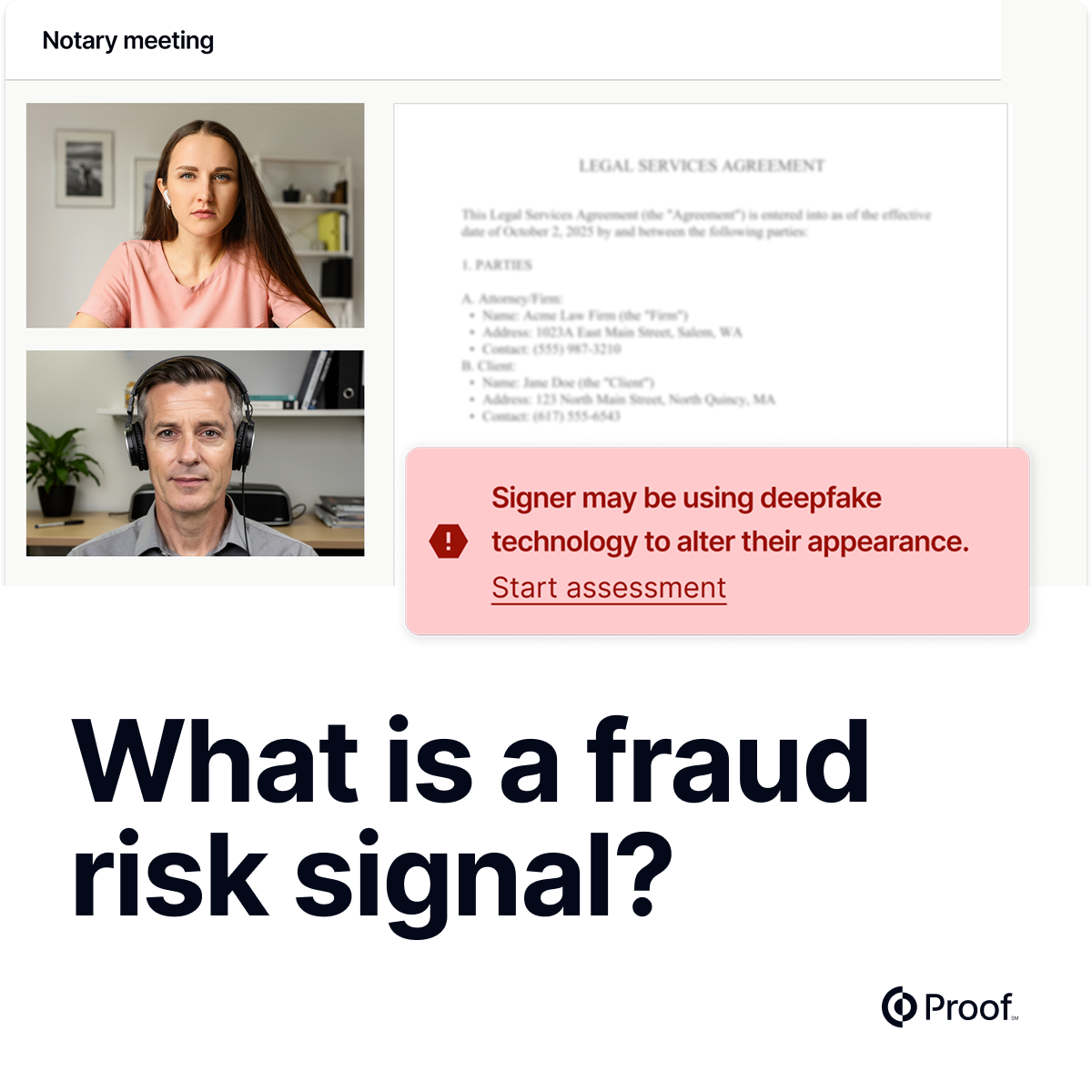
- Deepfake video used to impersonate customers during account recovery
- Credential stuffing against document portals and onboarding systems
What you can do:
- Replace document scan and upload with biometric identity verification
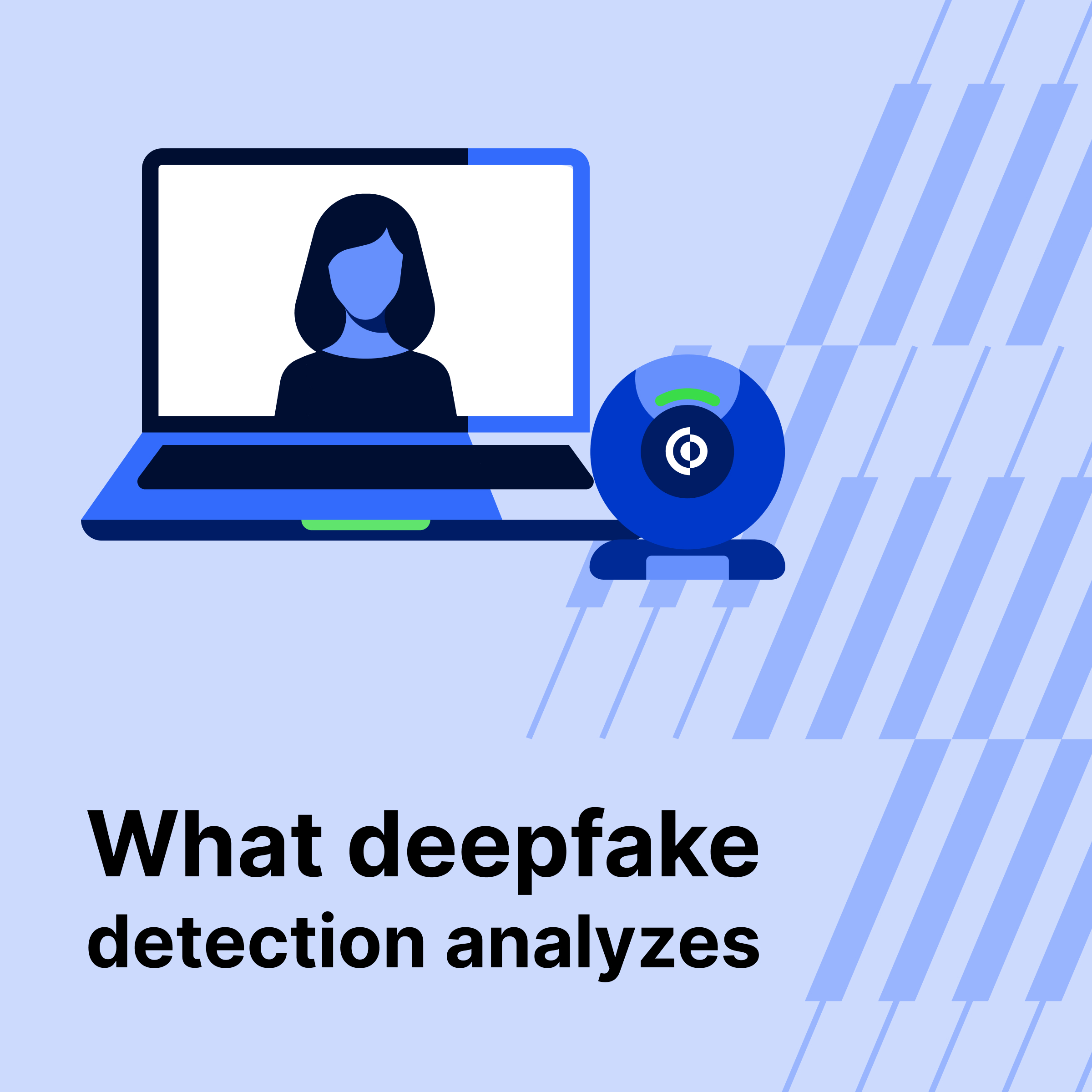
- Add liveness detection to flag deepfake or spoofed credentials
- Use cryptographic records to create an auditable chain of identity assurance
- Verify identity at every high-stakes moment, not just at initial onboarding
The common thread across these attacks is a breakdown in verifying who is on the other side of a transaction. Many organizations still rely on passwords, document scan uploads, and static data checks. These methods are easily spoofed by attackers using data brokers and AI at scale.
The risk does not only come from outside. Internal gaps including inconsistent security practices, unpatched systems, and manual workflows create the openings attackers exploit. A fraudulent hire with system access, a misconfigured account recovery workflow, a paper-based power of attorney process: each one is a gap that a motivated attacker will find.
How AI is amplifying both attacks and defenses
AI is front and center in the WEF report, and for good reason. The same technology that enables fraud also enables fraud detection.
On the attack side, threat actors are using AI to create more convincing deepfakes, generate phishing content at scale, and automate credential stuffing attacks. The barrier to entry for sophisticated fraud has dropped significantly. What previously required a skilled attacker can now be executed at volume by someone with access to a commercial AI tool.
On the defense side, AI gives risk and fraud teams the ability to detect anomalies faster, flag suspicious activity in real time, and stop threats before they complete. Liveness detection can identify a deepfake in the same video call where a fraudster is attempting to impersonate a customer. Behavioral analytics can flag an account recovery request that does not match a user's historical patterns.
What separates resilient organizations from vulnerable ones is not whether they use AI. It is whether they have built the governance, identity controls, and fraud detection workflows to stay on the right side of that equation. AI tools without identity infrastructure are a liability. AI tools embedded in a verified identity layer are a defense.
Cyber risk as a boardroom issue
The WEF report found that 91% of business leaders now see cyber resilience as a key business priority. That number has risen significantly yearoveryear, and it reflects a real shift in how boards think about security.
Alignment between CISOs and boards is still inconsistent, particularly on identity infrastructure, authorization security, and the hidden risk in manual workflows. When identity fraud slows down closings, disrupts onboarding, or results in legal exposure, it becomes a business issue. The CISO cannot solve it alone. It requires operations, compliance, legal, and executive leadership to treat identity as infrastructure, not as a one-time checkpoint.
The WEF's message is direct: security strategies need to evolve beyond firewalls and encryption. Whether a breach starts with a human mistake, a system flaw, or a deliberate attack, identity is almost always in the blast radius. Identity needs to be verified, embedded, and enforced at every step.
Translating cyber risk into business terms
One of the most persistent challenges in enterprise risk management is the communication gap between security teams and executive leadership. CISOs understand the technical exposure. Boards and CFOs make decisions based on financial impact, operational disruption, and reputational consequence.
Translating cyber risk into business terms requires mapping threats to the workflows where they create measurable damage. A credential phishing attack is not just a security incident. It is a potential wire fraud event, a regulatory disclosure obligation, and a customer trust problem. A synthetic identity in a loan application is not just a KYC failure. It is a direct financial loss and a compliance exposure.
The organizations that close the gap between awareness and action are the ones that quantify risk at the transaction level. They ask: what does a fraudulent authorization cost us? What does a disputed signature cost us in legal fees and deal delays? What does an account takeover cost us in remediation and customer churn? These are the numbers that move boards to act.
Where cyber risk enters high-trust workflows
For organizations in finance, insurance, real estate, and lending, cyber risk is not a background concern. It enters the business through the workflows that generate revenue:
- Loan originations, where synthetic identities and account takeover attempts are common
- Real estate closings, where fraudulent notary seals and deed fraud have cost the industry $275 million in 2025 alone
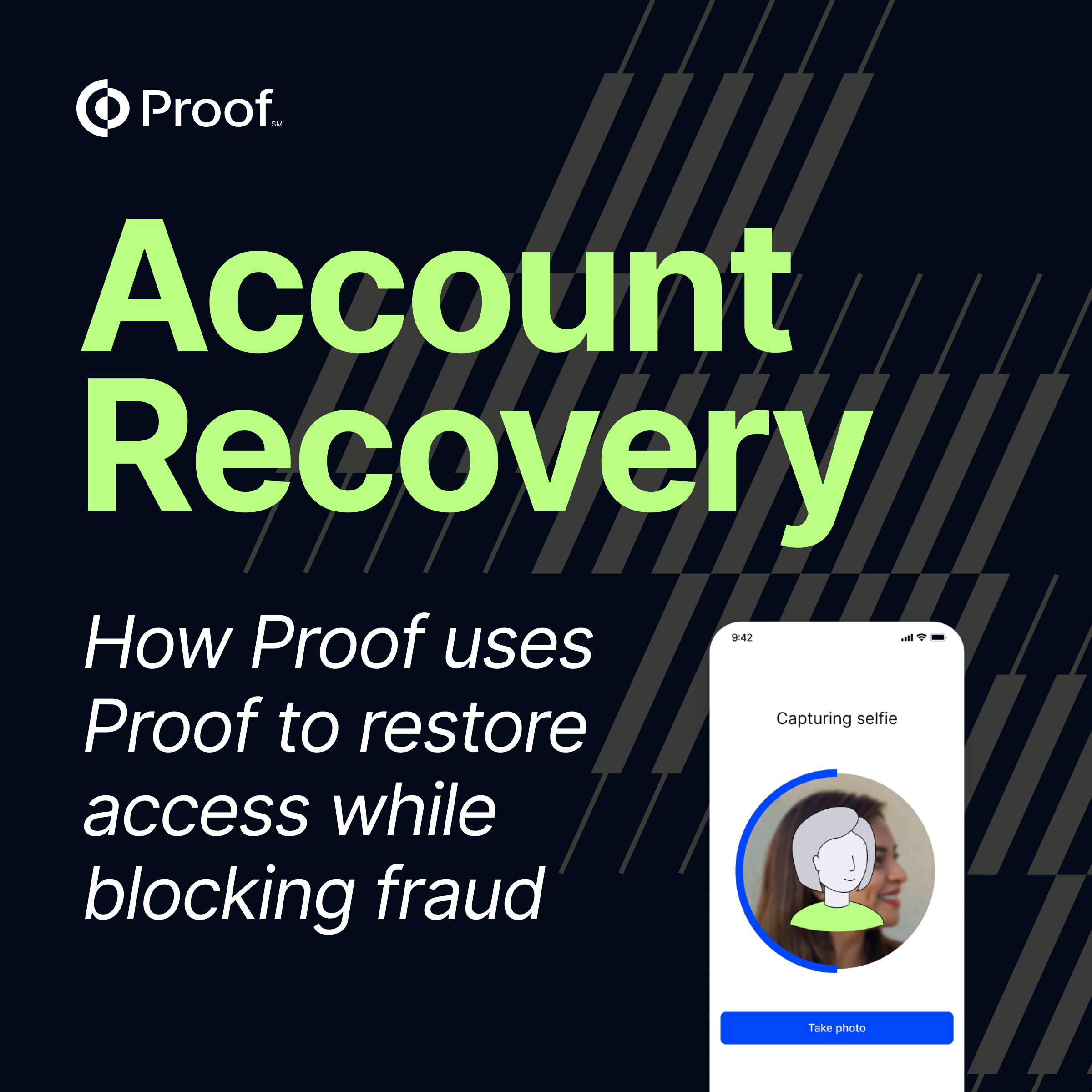
- Account recovery and password resets, where social engineering and vishing attacks target help desk workflows
- Employee onboarding, where candidate fraud and deepfake impersonation are now industrialized threats
- Wire authorizations, where business email compromise (BEC) continues to generate billions in annual losses
Each of these moments is an authorization event. Each one carries identity risk. And each one is a point where the gap between awareness and execution creates direct financial exposure.
What resilient organizations do differently
The WEF report identifies a clear pattern among organizations that are closing the gap between cyber resilience intent and execution. They share three characteristics.
First, they measure cyber risk at the transaction level. They track authorization failures, identity verification exceptions, and fraud attempts as business metrics, not just security metrics. These numbers go into enterprise risk models alongside credit risk, market risk, and operational risk.
Second, they embed identity verification into workflows rather than treating it as a one-time onboarding checkpoint. Every high-stakes authorization moment, from account changes to document signings to wire approvals, includes a verified identity signal.
Third, they build cryptographic records. When a dispute arises, they can produce evidence of who authorized what, when, and through what verification process. That evidence is defensible in court, in regulatory examinations, and in customer disputes.
Organizations that have built this infrastructure are not just more secure. They close deals faster, carry less legal exposure, and build the kind of customer trust that creates competitive advantage.
Closing the gap between intent and execution
The gap between cybersecurity intent and execution is where fraud thrives. The WEF data makes this concrete: 91% of leaders prioritize cyber resilience, but only 30% have built the measurement infrastructure to manage it as a business risk.
Closing that gap requires treating identity as infrastructure. It means verifying customers using biometric checks and liveness detection. It means using cryptographic records to create an auditable chain of identity assurance. It means evaluating risk before a single transaction is authorized, not after a fraud event has already occurred.
Proof helps organizations do exactly this. From notarizing and eSigning documents to onboarding employees and resetting account passwords, the Proof platform lets you know who is on the other end and digitally certifies what they are doing. Identity verification, fraud detection, and cryptographic records are built into every authorization moment.
Join the trust conversation
Want to hear directly from the experts? Watch the on-demand discussion with Proof and Liminal:
The 2025 Trust Ledger: Transaction and Identity Fraud Webinar
Insights from Proof's Trust Ledger and Liminal's latest research, plus live Q&A with fraud experts. Whether you are in compliance, cybersecurity, operations, or product, this session will arm you with the context and clarity to make better decisions.






















.jpg)










































.jpg)