How Financial Institutions Can Keep Customers Safe with Authentication
The article emphasizes that financial institutions face increasing identity-based attacks like account takeover and credential stuffing, and highlights that adopting strong, multi-factor authentication methods—such as biometric verification with liveness detection and passwordless FIDO2 passkeys—alongside solutions like Proof Identify and Proof Defend, is essential to reduce fraud, protect customer trust, and comply with regulations.
New
Proof launches portable digital identity for banks
Introducing portable identity

Updated September 4, 2026
Account takeover fraud, credential stuffing, SIM-swapping: financial institutions are on the front line of identity-based attacks, and the volume is only growing. Every account interaction is a potential entry point, and weak authentication is the open door criminals are looking for. Choosing the right authentication approach is not a compliance exercise. It is a core operational decision with direct consequences for fraud losses, customer trust, and regulatory standing.
Key takeaways
- Weak or single-factor authentication leaves financial accounts exposed to credential stuffing, phishing, and account takeover. Stronger customer authentication methods reduce that exposure significantly.
- Biometric factors cannot be stolen through a data breach and reused the way passwords can. Liveness detection adds another layer by confirming that a real person, rather than a photo or deepfake, is present at the time of verification.
- Passwordless authentication based on FIDO2 passkeys eliminates the credential stuffing risk entirely by removing the shared secret that attackers target.
- Proof Identify handles high-assurance identity verification at onboarding and critical transaction moments, while Proof Defend monitors for fraud signals across every interaction.
Why authentication matters for financial institutions
Financial institutions hold the highest-value targets in the digital economy: bank accounts, investment portfolios, credit lines, and retirement savings. Criminals know this, and their methods have grown more sophisticated in response.
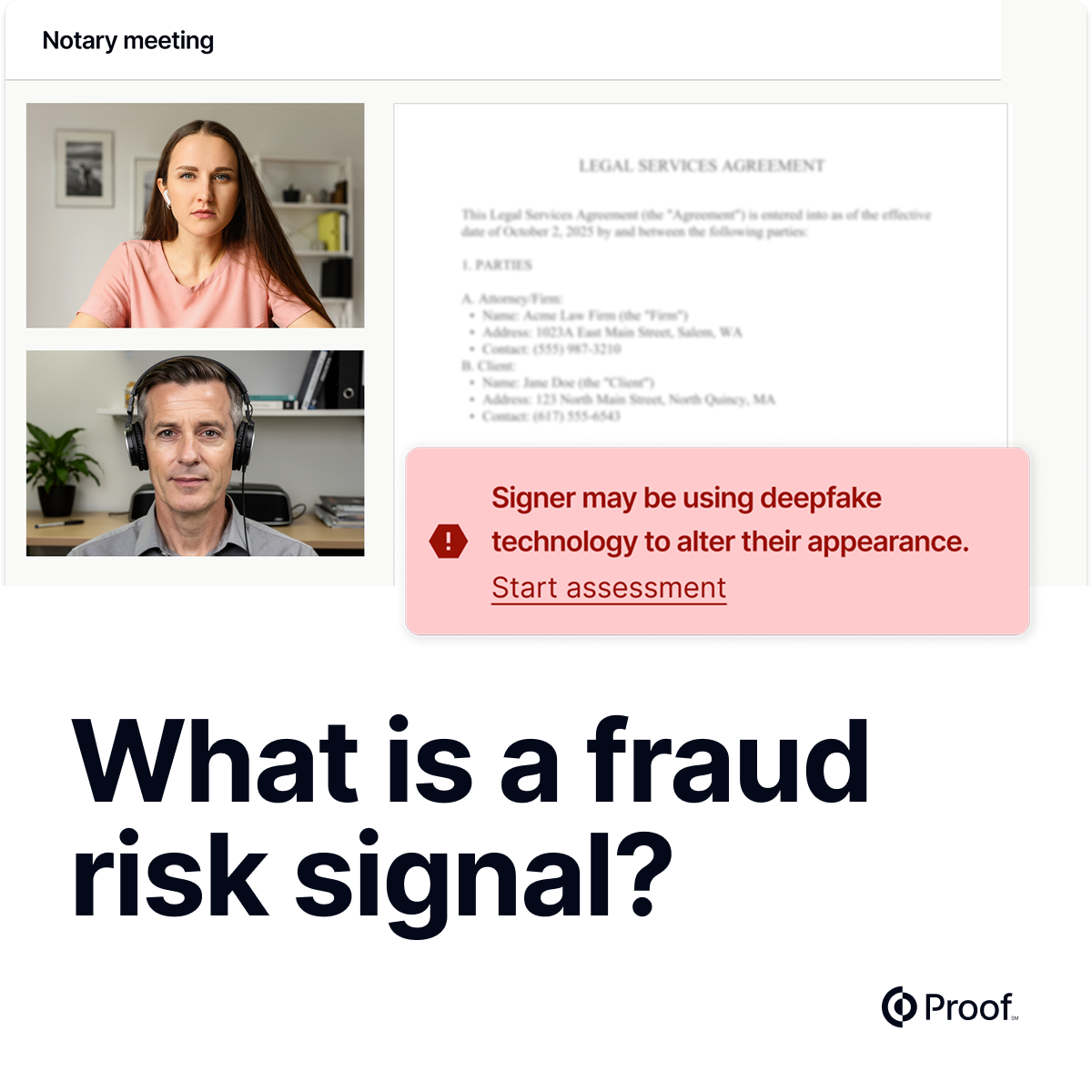
Credential stuffing attacks use lists of stolen username-and-password combinations to automate login attempts across thousands of accounts simultaneously. Phishing campaigns harvest credentials directly from customers who believe they are interacting with their bank. SIM-swapping exploits telecom providers to redirect SMS verification codes to a criminal's device. And deepfake technology is now sophisticated enough to fool visual identity checks that rely on simple selfie comparison without liveness detection.
Authentication is the control that stands between a criminal and account access. When it fails, the consequences are immediate: fraudulent transfers, drained accounts, unauthorized credit applications, and the customer service burden of cleaning up after a takeover event. Beyond the direct losses, the reputational cost of a fraud event is significant and often long-lasting.
Types of authentication
Password-based authentication
Passwords remain the most common authentication factor, but they are also the weakest. Reused passwords are immediately compromised when any service in a user's ecosystem is breached. Weak passwords are cracked by brute force. Even strong, unique passwords are vulnerable to phishing. For low-risk sessions, password authentication may be acceptable, but it should not stand alone for any transaction involving account changes, transfers, or access to sensitive data.
Multi-factor authentication
Multi-factor authentication (MFA) requires a second verification factor beyond the password, typically a one-time code sent via SMS, generated by an authenticator app, or delivered via email. Adding MFA significantly reduces the risk of account takeover from credential stuffing because a stolen password alone is no longer sufficient for access.
SMS-based MFA, while better than nothing, is vulnerable to SIM-swapping. App-based authenticators (such as TOTP apps) offer stronger security because the codes are generated on-device rather than transmitted. Institutions with higher risk profiles should favor app-based MFA or move to stronger options entirely.
Biometric authentication
Biometric authentication verifies identity using a physical characteristic: a fingerprint, face scan, or voice pattern. Unlike passwords, biometric data cannot be stolen from a breach and used directly to access accounts. Biometrics are also harder to phish because there is no credential to type into a fraudulent login page.
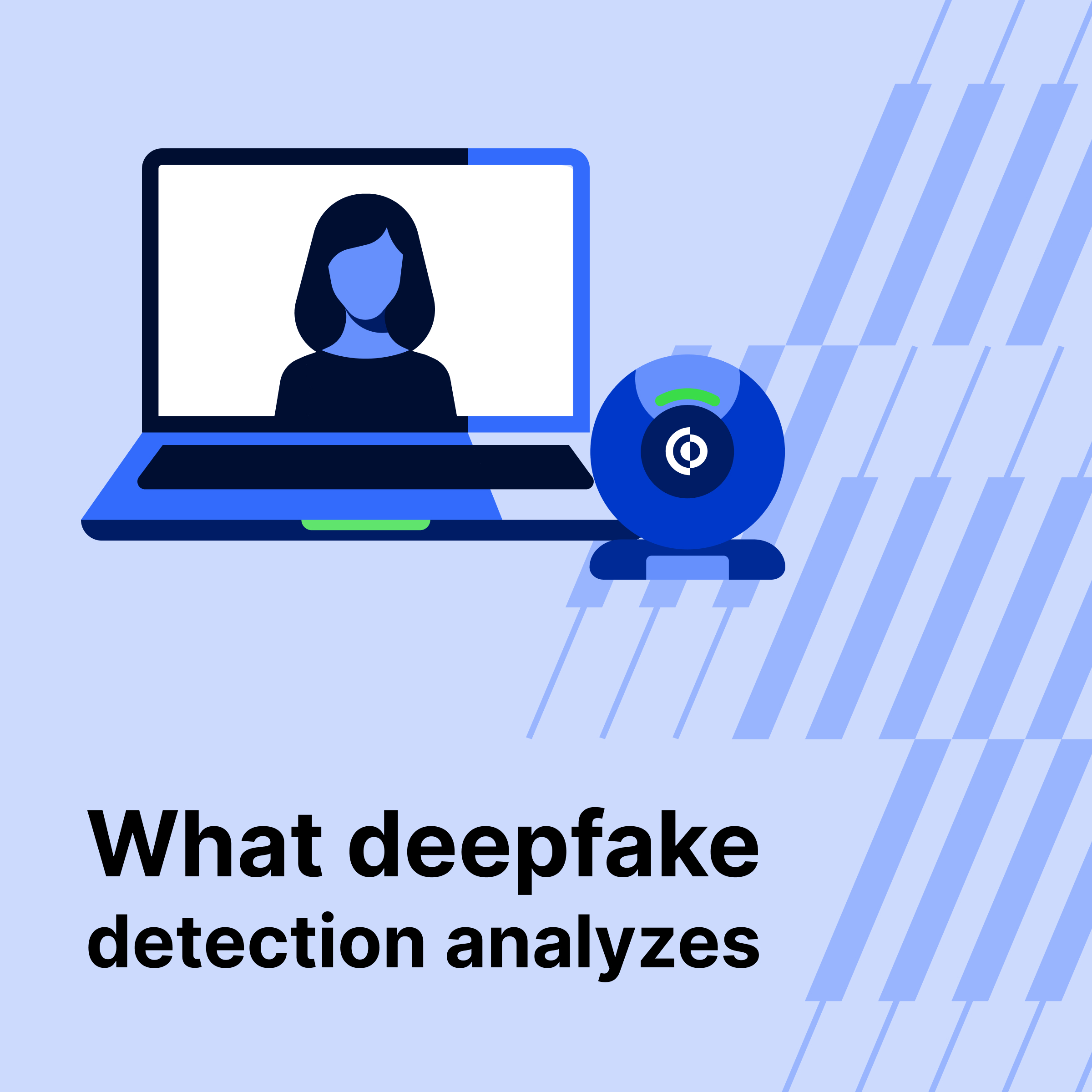
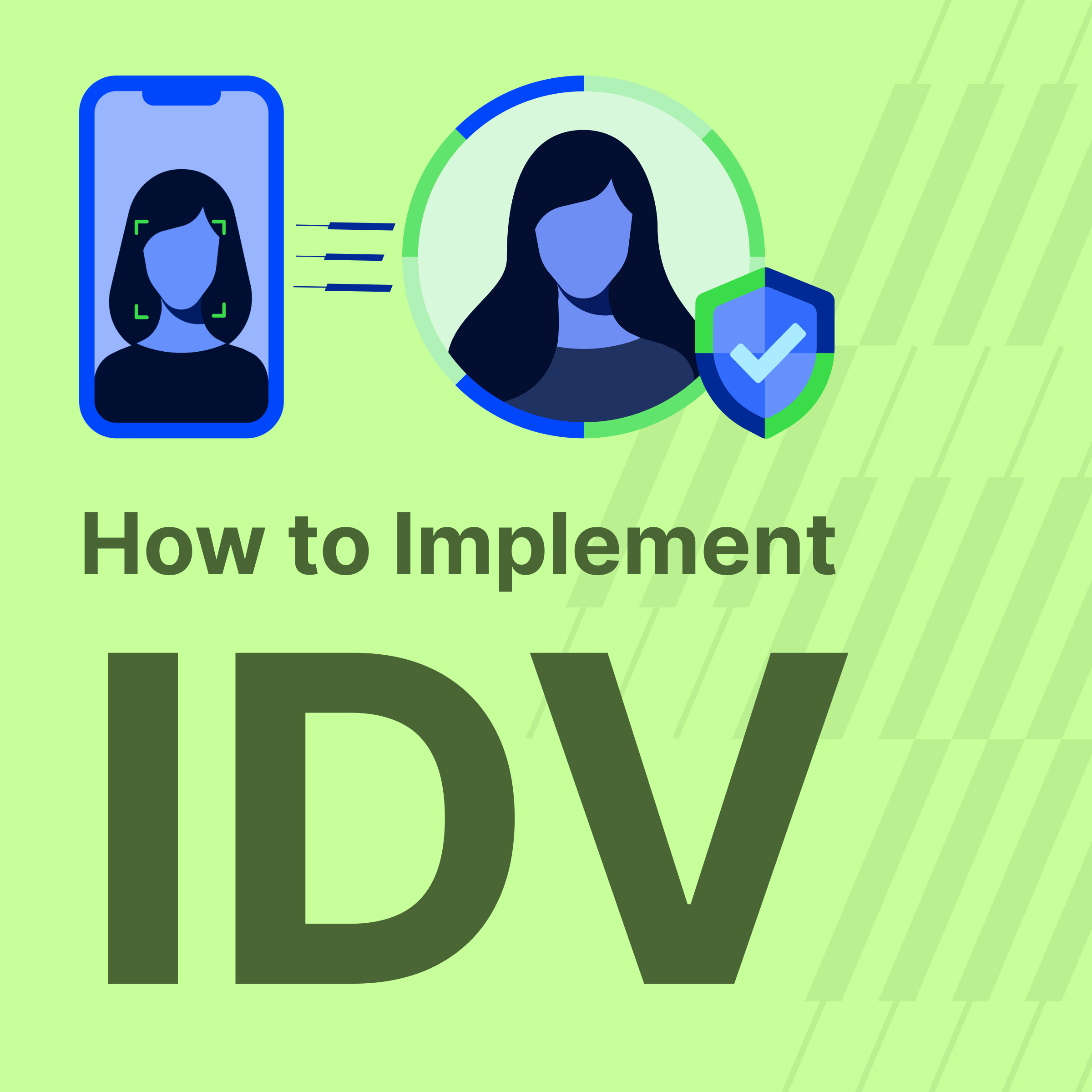
Modern face-based biometric systems include liveness detection, which confirms that a real, physically present person is performing the verification rather than a photograph, mask, or AI-generated deepfake video. As deepfake technology has become more accessible, liveness detection has become an essential component of any biometric verification system. Financial institutions relying on simple selfie comparison without liveness checks are increasingly vulnerable to synthetic presentation attacks.
Token-based and passwordless authentication
Passwordless authentication eliminates the shared secret entirely. Instead of a password, the user authenticates using a device-bound cryptographic key, a hardware token, or a passkey stored on their device. Because there is no password to steal, credential stuffing attacks do not apply. Phishing attempts that ask users to enter a password have nothing to capture.
FIDO2-based passkeys, in particular, represent a significant step forward: they are bound to a specific domain, so a fraudulent site cannot intercept them, and they require user presence confirmation (usually via biometric unlock on the device) before they can be used. For financial institutions looking to reduce credential-based fraud without adding friction for customers, passwordless authentication is one of the most effective options available.
Common tactics used against financial institutions
Common tactics:
- Credential stuffing: Attackers use breached username-and-password lists to automate login attempts across accounts, exploiting password reuse.
- Phishing and smishing: Fraudulent emails and text messages impersonate the financial institution to harvest login credentials or one-time codes directly from customers.
- MFA bypass: Criminals use real-time phishing proxies to intercept MFA codes as customers enter them, completing the login before the code expires.
- SIM-swapping: Attackers convince a telecom provider to transfer a customer's phone number to a new SIM card, giving them control of SMS-based verification codes.
- Deepfake identity attacks: AI-generated video is used to defeat basic selfie verification checks during account opening or identity recovery workflows.
What you can do:
- Require MFA for all account logins, and prefer app-based or hardware-based factors over SMS for high-risk customers or transaction types.
- Implement liveness detection in any biometric verification workflow to catch synthetic presentation attacks, including deepfakes.
- Move toward passwordless authentication for high-value account interactions to eliminate the credential stuffing attack vector entirely.
- Monitor for anomalous login patterns, including logins from new devices, unusual locations, or rapid successive attempts, and trigger step-up verification when signals indicate elevated risk.
- Train customers to recognize phishing attempts and establish a clear channel for reporting suspicious communications.
A risk-tiered approach to authentication
Not every interaction carries the same level of risk, and not every customer-facing moment warrants the same level of friction. A risk-tiered authentication framework calibrates verification requirements to the actual risk of each action.
Lower-risk actions (viewing account balance, browsing transaction history): standard login with MFA is typically appropriate here. Customers expect speed and simplicity for routine interactions, and excessive friction drives abandonment.
Medium-risk actions (bill payment, account setting changes, adding a new payee): step-up authentication is appropriate. An additional verification factor, such as biometric confirmation or a re-authentication prompt, should be triggered automatically.
High-risk actions (wire transfers, new account linking, password or contact information changes): the highest-assurance verification methods are appropriate here, including biometric confirmation with liveness detection, identity re-verification against a government-issued credential, or hardware token confirmation. This is also where fraud monitoring should be running in real time, flagging any signals that suggest the person initiating the action may not be the legitimate account holder.
The goal is to make the right actions frictionless and the wrong ones impossible.
How Proof helps financial institutions authenticate with confidence
Proof Identify gives financial institutions IAL2-compliant identity verification for high-risk moments in the customer lifecycle: account opening, identity recovery, wire authorizations, and other actions where the cost of getting it wrong is high. Verification combines credential analysis, biometric comparison, and liveness detection to confirm that the person taking action is who they claim to be. Every completed verification produces a tamper-sealed audit trail that captures identity results, risk signals, and biometric data for the full lifecycle of the relationship.
Proof Defend monitors every interaction across web, mobile, phone, and video channels, analyzing passive and active signals to detect anomalous behavior, deepfake attempts, document manipulation, and network-level fraud patterns. When Defend flags a risk, your team has the context and evidence to act immediately rather than discovering the problem after the fact.
The combination gives institutions a complete picture: verified identity at the moments that matter most, and continuous fraud intelligence across every interaction in between. Talk to our team to learn how Proof supports authentication workflows for financial institutions.































.jpg)














































.jpg)