Remote Online Notarization and California Real Estate: What Title Agents, Lenders, and Closers Need to Know
Senate Bill 696, signed in 2023, now allows California real estate transactions to use remote online notarization (RON) through out-of-state notaries as of January 2024, although California notaries themselves cannot perform RON until a state technology project is completed by 2030, enabling title agents, lenders, and closers to begin adopting fully digital closings despite lingering misconceptions.
New
Proof launches portable digital identity for banks
Introducing portable identity
.jpg)
Updated August 20, 2026
California real estate closings have a notarization problem. The state accounts for a disproportionate share of national transaction volume, yet until recently, every closing required a physical notary presence. That changed with Senate Bill 696, signed by Governor Gavin Newsom on September 30, 2023. Remote online notarization (RON) is now legally available for California real estate transactions, and the path to a fully digital closing is open today.
The confusion is understandable. Most title agents, lenders, and transaction coordinators still assume RON is off-limits in California. It is not. Understanding exactly what the law permits, what it does not yet permit, and how to execute a compliant remote closing is the difference between capturing the efficiency gains now and waiting years for a process that is already available.
Key takeaways
- California residents can use RON today through notaries commissioned in other states, under California Civil Code § 1182(d), which was amended effective January 1, 2024.
- California notaries cannot yet perform RON themselves. That authorization is tied to a technology project the Secretary of State must complete, with a statutory deadline of January 1, 2030.
- Real estate documents including grant deeds, quitclaim deeds, deeds of trust, and loan modification agreements are eligible for remote notarization under the current framework.
- Documents notarized by out-of-state RON notaries are accepted for recording by California county recorders, including Los Angeles County, under Civil Code § 1189(b).
- The Proof Engine enforces more than 4.5 million compliance rules automatically, including California-specific RON standards and underwriter policies, removing the burden of manual compliance tracking from title and lending teams.
- Real estate fraud losses hit $275 million in 2025, up 58% in a single year. RON platforms with layered identity verification close the fraud exposure that paper-based closings leave open.
Is remote online notarization legal for California real estate?
Yes. California legalized RON through Senate Bill 696, and out-of-state notaries can perform RON for California residents and California real estate documents right now.
The critical distinction most professionals miss: California notaries cannot yet perform RON themselves. The law requires the Secretary of State to complete a technology project before California-commissioned notaries are authorized to conduct remote notarizations. That deadline is January 1, 2030, or earlier if the Secretary of State certifies completion sooner.
In the meantime, California Civil Code § 1182(d), amended effective January 1, 2024, explicitly authorizes notaries commissioned in other states to perform RON for California documents. Platforms like Notarize connect buyers, sellers, and borrowers to a network of out-of-state commissioned notaries available 24 hours a day, seven days a week.
What California law actually says: SB 696 and Civil Code § 1181.1
Senate Bill 696, codified across Civil Code §§ 1181.1, 1182, and 1183, and Government Code §§ 8207.1, 8214.1, and 8231 through 8232.4, is the statutory foundation for RON in California.
The law operates in stages. Several provisions took effect January 1, 2024. Government Code § 8231.18 became operative January 1, 2025. The provisions authorizing California notaries to perform RON become operative upon the earlier of two events: the Secretary of State certifying completion of the required technology project, or January 1, 2030.
Civil Code § 1181.1 currently prohibits California notaries from performing online notarizations until that certification occurs. The interim statute remains in effect until that threshold is reached, at which point it is repealed and replaced by the permanent statute.
For real estate professionals, the practical implication is straightforward. California notaries are out. Out-of-state RON notaries are in, and their notarizations are legally valid for California documents.
Will California county recorders accept RON documents?
Yes. California Civil Code § 1189(b) states that an acknowledgment taken in another state is valid in California if it is performed according to the laws of that state. Documents properly notarized by an out-of-state RON notary are accepted for recording in California counties, including Los Angeles County.
California Assembly Bill 2004, effective January 1, 2025, further clarified the recording process by allowing a certified tangible copy of an electronic record to be submitted for recording. This bridges the gap between digital notarization and county recorder requirements that still call for a physical document in some instances.
For title agents managing high-volume California closings, the key operational step is confirming that the RON platform produces a certified tangible copy that meets the specific county recorder's submission standards. Proof's Close product handles this automatically through the Proof Engine, which encodes county-specific recording requirements alongside state RON standards.
How remote online notarization works for California real estate closings
A RON closing for California real estate follows a defined sequence. The steps below reflect how a compliant closing works on the Proof platform.
Before the session:
- The title agent or lender prepares the closing package and uploads documents to the platform.
- The platform checks eClosing eligibility based on property type, transaction type, and underwriter requirements.
- The signer receives a link to begin the session from any device with a camera and internet connection.
During the session:
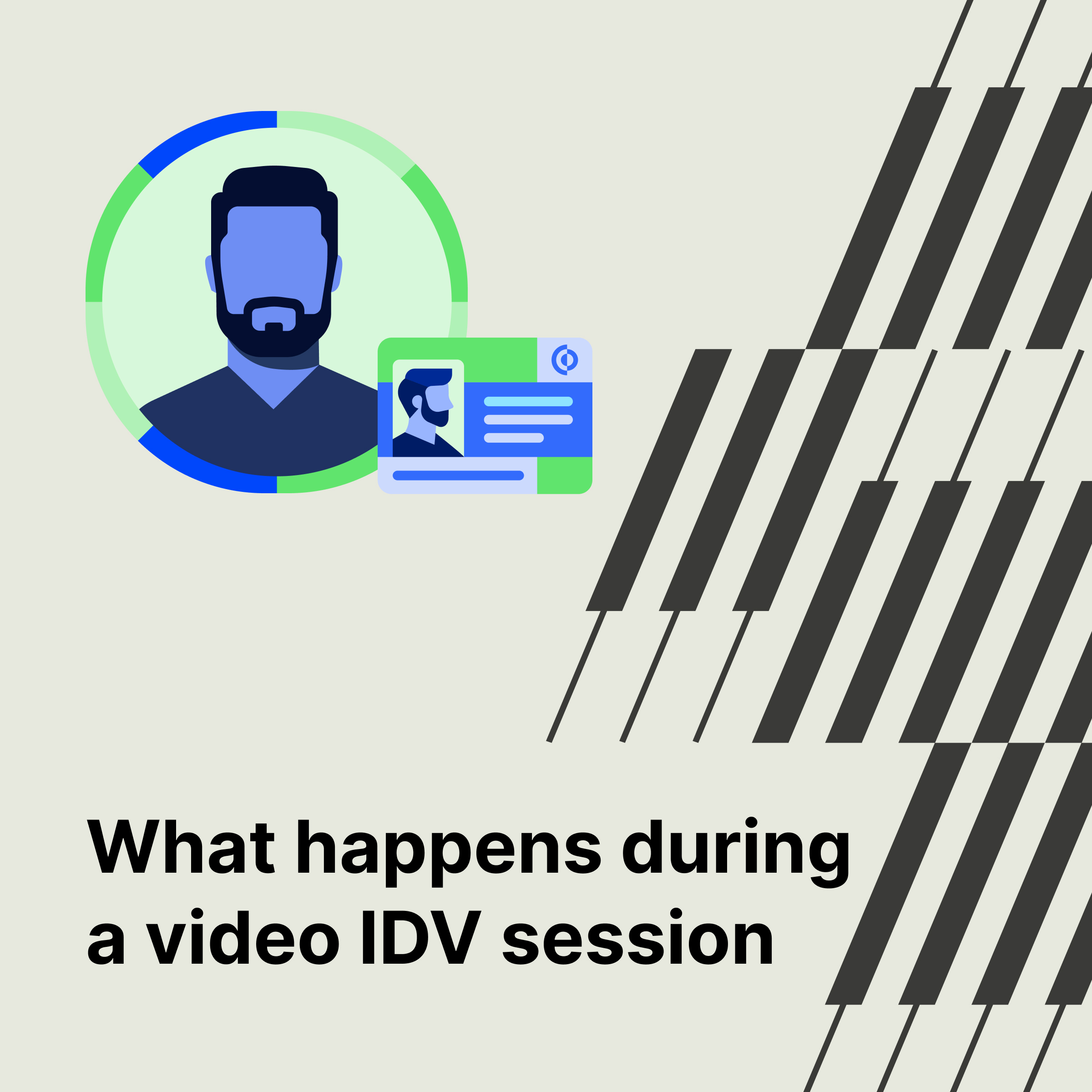
- The signer completes identity verification. This includes credential analysis of a government-issued photo ID, knowledge-based authentication (KBA) questions drawn from public and private data sources, and a biometric comparison between the signer's live image and the ID photo.
- The signer connects with a commissioned out-of-state RON notary via secure audio-video call.
- The notary reviews the signer's identity, witnesses the signing in real time, and applies a digital notary seal and signature.
- The session is recorded and stored as part of the closing record.
After the session:
- The completed closing package is available immediately to all parties.
- A certified tangible copy can be generated for county recorder submission.
- The full audit trail, including the video recording and identity verification results, is archived and accessible for future reference.
Proof's Notarize Network connects signers with notaries in under two seconds on average, with availability around the clock. For California closings involving out-of-state buyers or sellers, this eliminates the scheduling friction that delays paper-based closings.
Identity verification and fraud protection in California RON closings
RON does more than replicate the in-person signing experience. It produces a stronger evidentiary record than a wet-ink signature on paper.
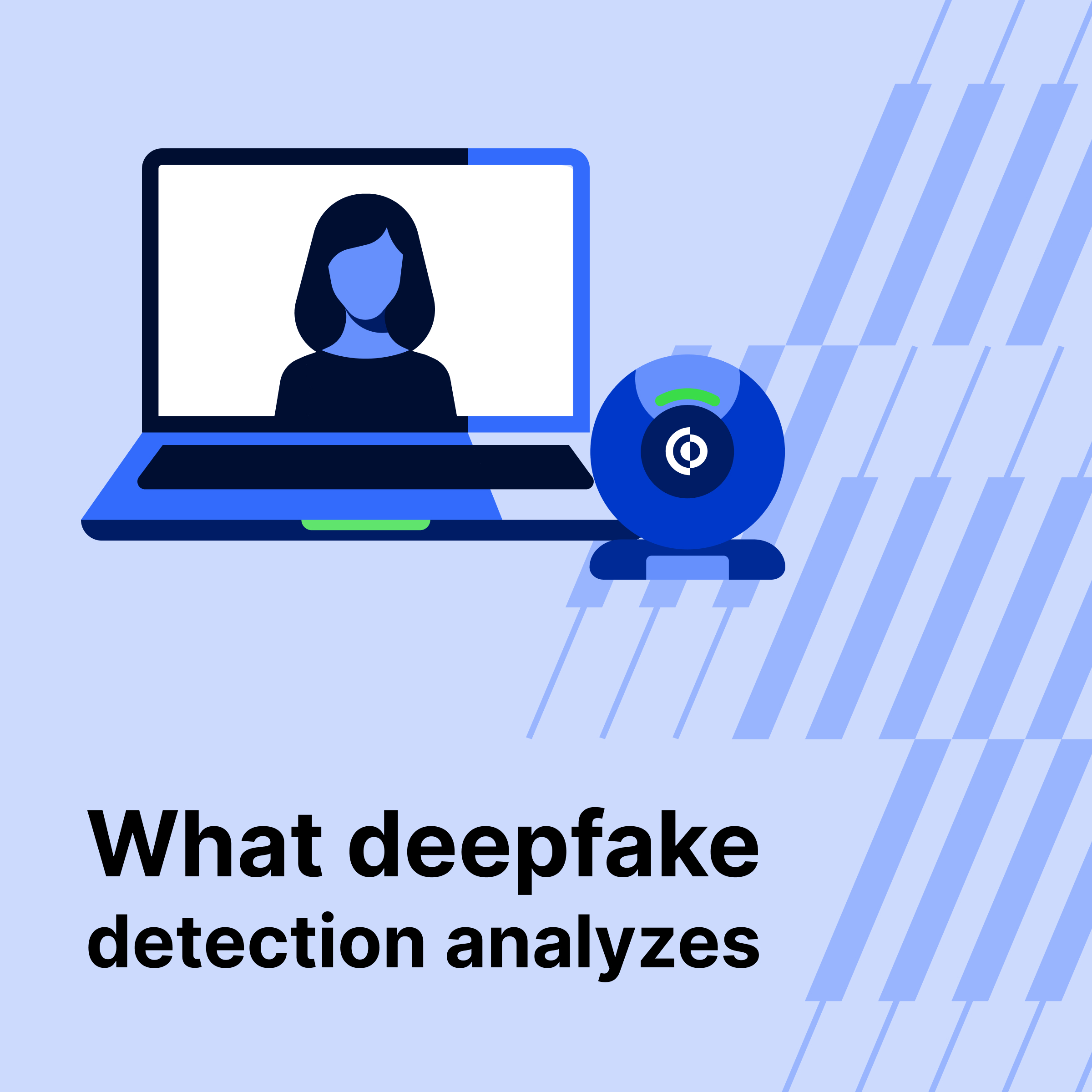
A paper-based notarization relies on a notary's visual inspection of a physical ID. A RON session on the Proof platform runs multiple verification checks simultaneously: credential analysis to authenticate the government-issued ID, KBA to confirm the signer's knowledge of personal history, biometric matching to confirm the signer's face matches the ID photo, and liveness detection to confirm the signer is physically present and not a deepfake or static image.
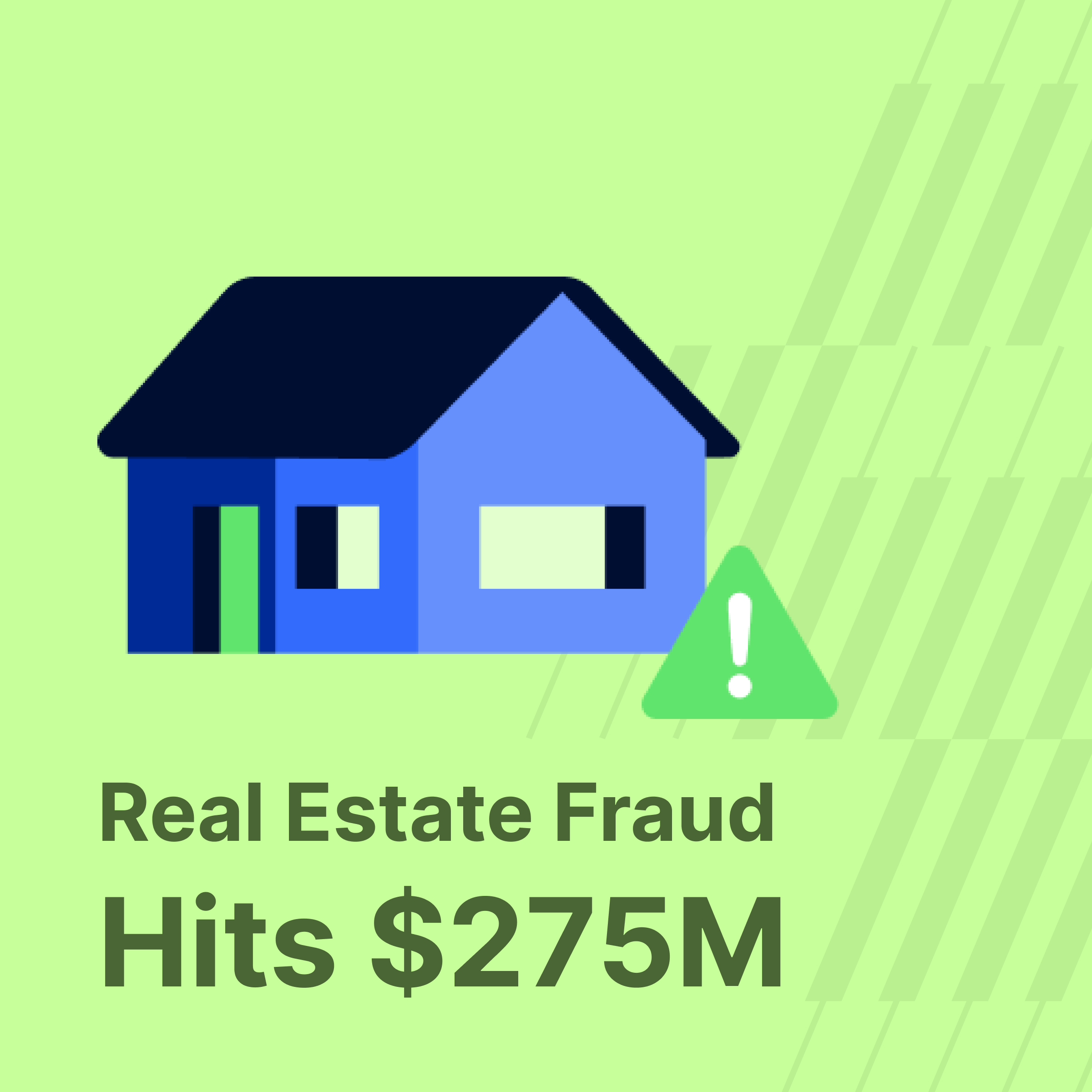
Real estate fraud losses hit $275 million in 2025, up 58% in a single year. Deed fraud, wire fraud, and identity impersonation at closing are active threats. The layered verification built into RON platforms closes the exposure that paper-based closings leave open.
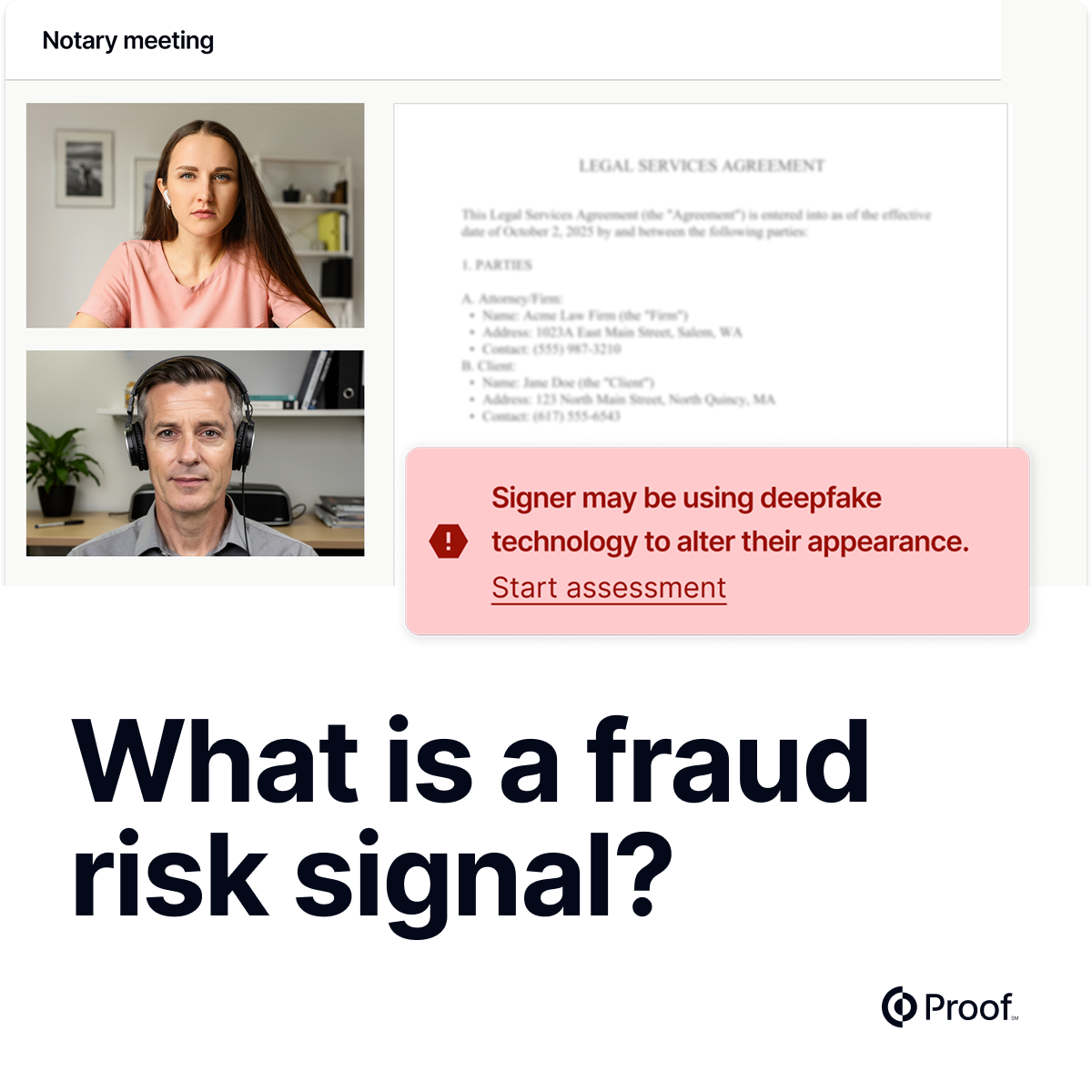
Proof's Defend product adds a fraud intelligence layer that monitors transactions in real time, flags risk signals, and routes suspicious activity for human review before a closing is completed. This is not a passive check. It is active fraud monitoring across every transaction.
Hybrid closings versus full eClosings in California
California real estate teams have two digital closing options available today.
A hybrid closing combines RON with wet-ink signatures. Documents that require notarization are completed remotely through a RON notary, while other documents are signed in person or via eSignature without notarization. Hybrid closings are the most common entry point for title teams transitioning from fully paper-based workflows.
A full eClosing completes the entire closing package digitally, including all notarized documents, through a single remote session. Full eClosings require lender and underwriter acceptance of electronic promissory notes (eNotes) in addition to RON-eligible documents.
For most California residential transactions today, a hybrid approach is the practical starting point. As lender and underwriter eNote acceptance expands, full eClosings become the standard path.
The RON timeline for California notaries
California notaries will be authorized to perform RON once the Secretary of State certifies completion of the required technology project. The statutory deadline for that certification is January 1, 2030.
The Secretary of State is required to notify the Legislature and Governor in writing by January 1, 2029 if the project will not be completed by the 2030 deadline. If that notification is not provided, the 2030 date stands as the operative deadline.
For real estate professionals, the practical implication is a multi-year window during which out-of-state RON notaries remain the compliant path for California transactions. Platforms with established out-of-state notary networks, like the Notarize Network, are the operational solution during this period.
Why RON produces better closing outcomes for California real estate teams
The operational case for RON in California real estate is measurable.
Proof's data across mortgage and real estate closings shows an average cost savings of $443 per mortgage transaction and a 31% reduction in closing errors. Both figures reflect the elimination of manual document handling, scheduling coordination, and error correction that paper-based closings require.
For California transactions specifically, the benefits compound. The state's geography means buyers and sellers are frequently not in the same location as the property or the closing office. Out-of-state buyers purchasing California real estate no longer need to arrange in-person notarization in their home state or travel to California. Sellers who have already relocated can complete their side of the closing from wherever they are.
The 24/7 availability of the Notarize Network also removes the scheduling constraint that delays closings when in-person notaries are unavailable outside business hours. Time-sensitive transactions, including those with rate lock expirations or competitive offer deadlines, close faster when the notarization step does not depend on a physical appointment.
What California real estate professionals need to do now
The framework for RON in California real estate is in place. The practical steps for title agents, lenders, and transaction coordinators are:
- Confirm your title underwriter's current RON acceptance guidelines and any document-specific requirements.
- Select a RON platform that enforces California-specific compliance rules automatically, including county recorder requirements and underwriter policies.
- Determine whether a hybrid or full eClosing approach fits your current transaction mix and lender relationships.
- Train your team on the RON workflow, including how to prepare closing packages, how to communicate the process to signers, and how to handle the certified tangible copy for county recorder submission.
- Verify that your platform produces a complete audit trail, including the video recording and identity verification results, for every completed session.
The law is settled. The technology is available. The teams that build RON into their California closing workflows now will close faster, reduce errors, and carry less fraud exposure than those still waiting for the 2030 deadline.
























.jpg)








































.jpg)