Simpligov and Proof Announce Partnership for Remote Online Notarization Integration
SimpliGov has partnered with Proof to integrate Proof's remote online notarization services into SimpliSign, SimpliGov's electronic signature platform, enabling government agencies to securely and compliantly perform remote notarizations with first- and third-party notaries across all 50 states, thereby modernizing and digitizing government document workflows by eliminating paper-based notarization processes.
New
Proof launches portable digital identity for banks
Introducing portable identity

SimpliGov, a leader in digital forms, workflow process automation, and electronic signature solutions for state and local government, today announced a partnership with Proof, the industry leader in identity-centric security. Proof now enables remote notarization services through SimpliSign, SimpliGov's electronic signature solution.
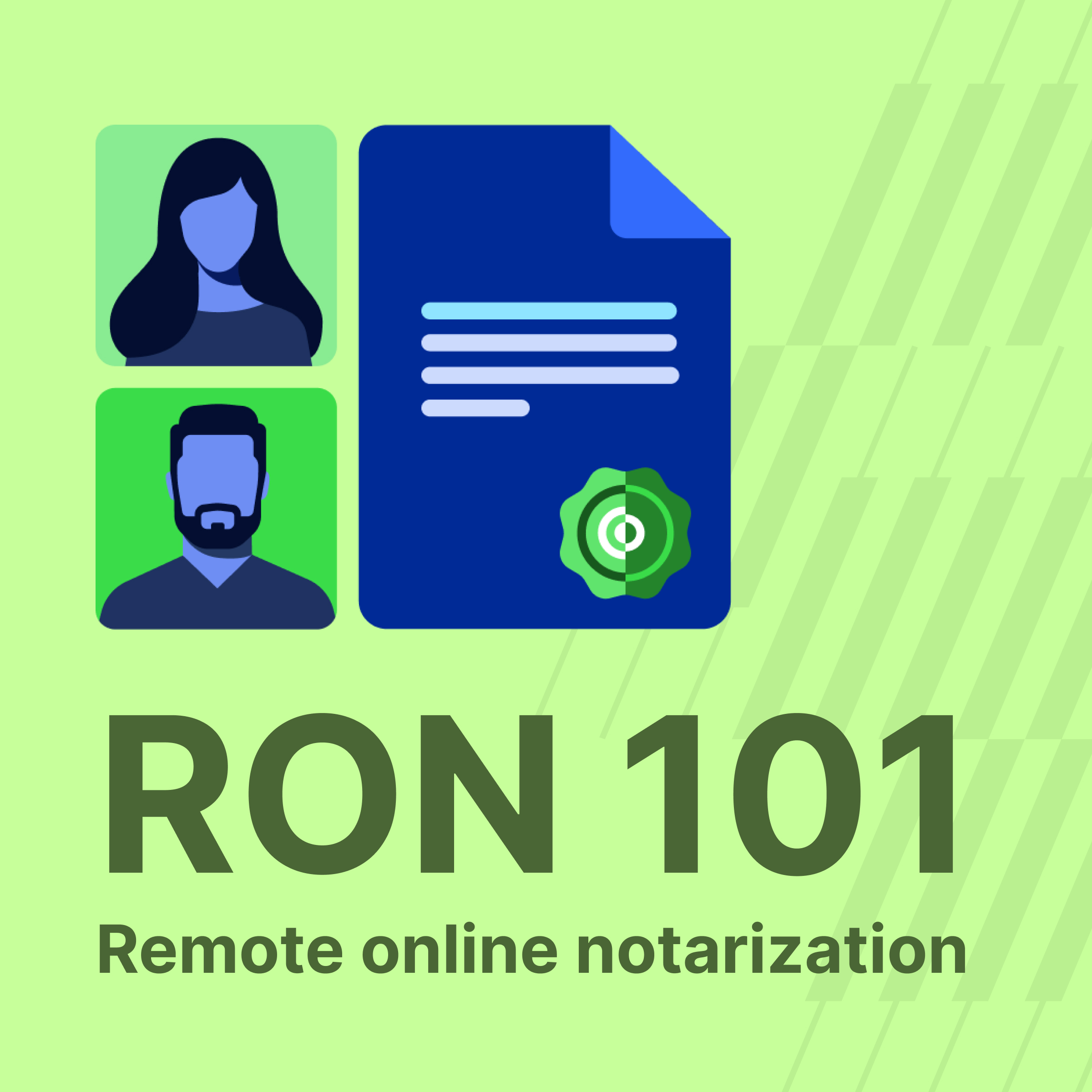
The integration of Proof with SimpliSign allows government agencies to initiate Remote Online Notarization (RON) services within the SimpliSign platform. SimpliSign users have seamless access to fully compliant, remote online notarization services with first and third-party notaries for document acceptance in all fifty states.
As government continues to modernize business operations, Proof provides a digital solution that works seamlessly with SimpliSign, eliminating the need to obtain and notarize paper documents. An electronic request within SimpliSign for RON alerts an online notary, who then facilitates document sharing, identity screening, and document signing and notarization via web conference. The remotely notarized document is returned to the signer.
Notarized signatures are often required in government processes to ensure the authenticity and integrity of documents. Common scenarios where notarization is necessary include legal documents and declarations, real estate transactions, financial documents, official government forms, immigration documents, and motor vehicle electronic titling.
"By integrating Proof's Remote Online Notarization with the SimpliSign platform, we're transforming how essential documents are signed and validated," said Pat Kinsel, CEO of Proof. "We're simplifying compliance, enhancing security, and accelerating government operations. This collaboration is a step toward a more trusted, efficient, and accessible digital future for the public sector."
"Bringing the power of SimpliSign and Proof together enables our customers to extend the latitude of their digital modernization initiatives." said David O'Connell, CEO, SimpliGov. "Adding electronic notarization to our solution stack facilitates even greater process control, security, and efficiency."
The solution will be available to agencies and entities using SimpliSign as a standalone electronic signature platform, or using SimpliSign integrated with the SimpliGov workflow automation platform. SimpliGov leads the industry with the ability to conduct transactions in a secure ecosystem of digital forms, workflow automation, legacy and enterprise system integration, document automation, electronic signatures, integrated payment processing, and more - in one centralized platform.
Specific benefits include:
- Faster Execution Time Electronic notarizations save the time and cost of onsite services, reducing time from days to minutes.
- Transparency: All electronic notarizations become a traceable part of the document record, improving accountability and compliance.
- Reduced Risk: Proof's RON technology is the safest and most secure method to notarize a document, with enterprise-grade security, credential validation, and a full audit trail.
The solution will be available in the SimpliSign platform in December 2024.





























.jpg)


















































.jpg)