The FAFSA Fraud Crisis
The FAFSA fraud crisis has escalated into a systemic issue involving stolen Social Security numbers, AI-generated synthetic identities, and automated bots enrolling ghost students in colleges to fraudulently collect federal aid—resulting in over $350 million in losses, operational strain on financial aid offices, and prompting the Department of Education to reinstate identity verification tools, though enforcement remains inconsistent.
New
Proof launches portable digital identity for banks
Introducing portable identity

Updated August 4, 2026
FAFSA fraud cases have moved from isolated incidents to a systemic crisis. Fraudsters are using stolen Social Security numbers, AI-generated synthetic identities, and automated bots to enroll in colleges, collect federal aid, and disappear before anyone notices. The financial losses are real, the operational burden on financial aid staff is severe, and the damage to legitimate students is measurable.
This is the identity problem at the center of higher education right now.
Key Takeaways
- Federal investigators have examined more than $350 million in ghost student fraud cases over the past five years, with California's community colleges alone reporting more than 1.2 million suspicious FAFSA applications.
- Ghost students use stolen or synthetic identities to enroll in online programs, collect Pell Grant disbursements, and withdraw before the census date. A single case can cost an institution up to $7,400.
- The Department of Education reinstated fraud detection tools in 2025, including identity screening against Social Security Administration and Department of Homeland Security databases, but enforcement remains uneven.
- Real-time identity verification with biometric checks, liveness detection, and document authentication stops ghost students at enrollment rather than after aid has already been disbursed.
Columbia University Breach Exposes Nearly 900,000 Records
In May 2025, Columbia University disclosed a cyberattack that compromised almost 870,000 individuals. Hackers accessed 460 gigabytes of admissions, aid, and academic data, putting Social Security numbers and financial details at risk. While the university is offering credit monitoring, the breach underscores a larger issue: once personal data is exposed, it does not just vanish. It can be repurposed for fraudulent FAFSA applications, stolen enrollments, and synthetic identities.
For students, that means potential debt, credit damage, and aid delays before classes even begin.
Politically Motivated Attacks Target Higher Ed
The Columbia case also revealed another disturbing layer: the hacker self-identified as the “Anime Nazi,” claiming political motives tied to affirmative action debates. The Verge reported that the attack may have been ideologically motivated, reminding universities that not all breaches are driven by financial gain.
For students and institutions, the motive does not matter. The outcome is the same: compromised identities that can be exploited for fraud. This blurring of political and financial crime expands the threat landscape, making already strained IT teams scramble to defend against attacks that do not follow predictable patterns.
California’s “Ghost Students” Cost Millions in Aid
California’s community colleges recently flagged more than 1.2 million suspicious FAFSA applications, leading to 223,000 phantom enrollments and at least $11 million in unrecoverable aid. According to Carahsoft’s reporting, fraudsters used AI-generated identities to enroll in online courses just long enough to trigger disbursements before disappearing.
Beyond financial losses, these fake students crowd out legitimate applicants and inflate enrollment data used to allocate funding. Colleges end up with skewed metrics, students face delayed services, and taxpayers lose confidence in a system that is meant to open doors, not bankroll fraud.
Admissions, registration, and financial aid staff also absorb the burden, spending hours each day trying to manually verify whether applicants are real. That means less time for their core responsibilities and, in some cases, “ghost students” taking up seats that should go to legitimate students.
Excelsior University Identity Scam Runs for a Decade
Earlier this year, a Texas woman was sentenced for running a ten-year financial aid scheme using stolen identities. The Times Union reported that she enrolled fake students in Excelsior University and other online programs, pocketing more than $200,000 in refunds. What makes the case striking is not the dollar amount.
It is the longevity.
For a decade, stolen identities slipped past weak controls, proving how difficult it is for institutions to catch low-volume, long-running scams without stronger verification measures. It also shows how aid fraud does not always make headlines until years later, when the financial and reputational damage has already been done.
Federal Oversight Returns, but Gaps Remain
The Department of Education has reinstated fraud detection tools paused during the pandemic, including tighter checks against Social Security and DHS databases. Investopedia noted that new rules now require government-issued ID validation for all first-time FAFSA applicants.
These changes are a step in the right direction, but enforcement remains uneven, and fraud tactics continue to evolve. A determined fraudster can still create synthetic identities that pass basic checks or use stolen data harvested from breaches like Columbia’s. Without modern, real-time tools, institutions risk staying one step behind, cleaning up fraud after it has already done its damage.
Where Proof Fits In
All of these stories point to one truth: identity is the first line of defense. When it fails, fraud does not just steal money, it steals trust. At Proof, we make verification seamless for students while blocking fraudsters at the gate.
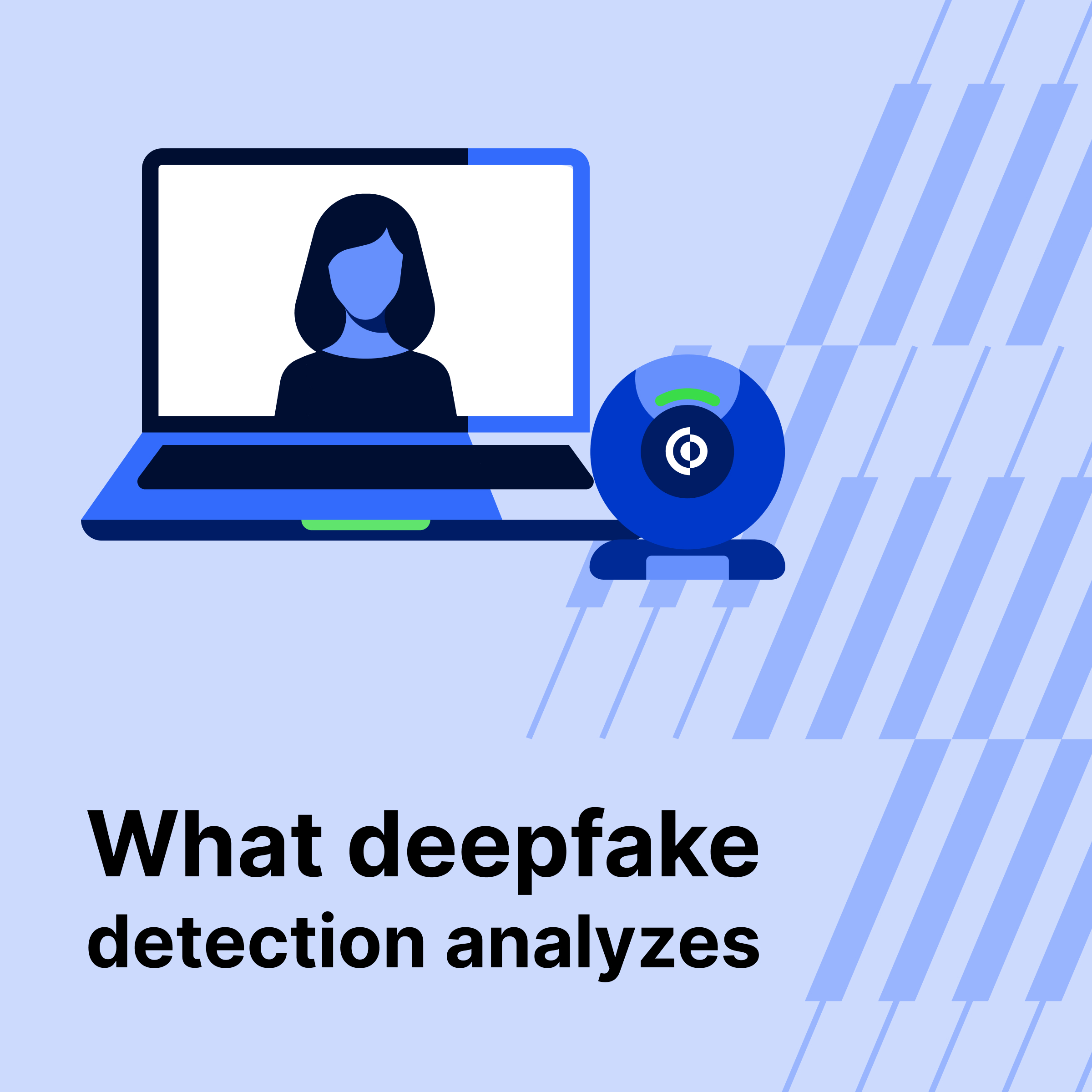
- Real-time verification: Biometric checks, liveness detection, and document validation ensure impostors are stopped instantly while legitimate students move forward without friction.
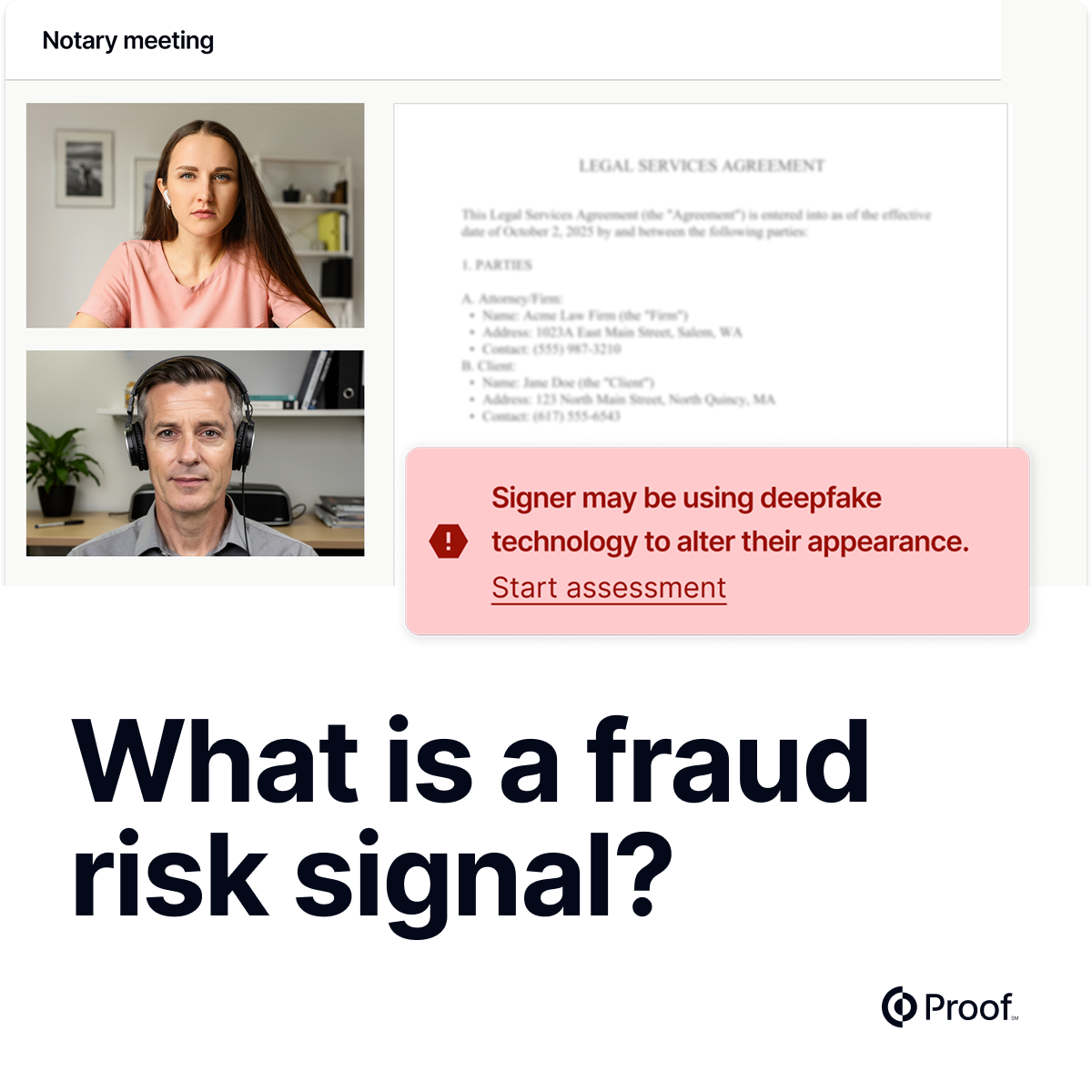
- Fraud signals: Automated intelligence flags anomalies like mass applications, synthetic identities, and unusual enrollment patterns before aid is misused.
- Compliance, simplified: Proof is built with Department of Education requirements in mind, so institutions stay aligned without slowing down student experiences.
The Columbia breach, California’s ghost students, and Excelsior’s stolen-identity scam are not anomalies. They are warning signs of an escalating crisis. With Proof, financial aid offices gain the confidence to fight fraud before it happens, safeguard taxpayer dollars, and focus on supporting real students.
Proof also automates the manual verification work that burdens admissions and aid staff, giving schools the strongest identity verification and risk signals so teams can make confident, informed decisions without added friction.
Because higher education should be about opportunity, not opportunity for criminals.























.jpg)











































.jpg)