The Real Cost of Paper Closings | Proof
The article explains that paper real estate closings incur hidden costs such as shipping fees, labor-intensive error correction, funding delays, and increased fraud risk, which collectively erode title companies' margins, while digital closing platforms like Proof's portable digital identity solution save money by eliminating these inefficiencies, improving client experience, and enhancing security, with Proof having processed over $640 billion in transactions.
New
Proof launches portable digital identity for banks
Introducing portable identity

Updated August 11, 2026
Paper closings cost title companies more than they appear to. Every overnight envelope, every missed signature, every day lost to a delayed notarization quietly erodes margins in ways that rarely show up on a single line of the balance sheet. Title companies that continue absorbing these costs risk falling behindcompetitors who have already moved on.
Key takeaways
- Paper closings generate "invisible" costs through shipping fees, labor-intensive error correction, and funding delays that compound month over month.
- Digital closing platforms typically pay for themselves within months by eliminating courier costs and reducing manual workflows.
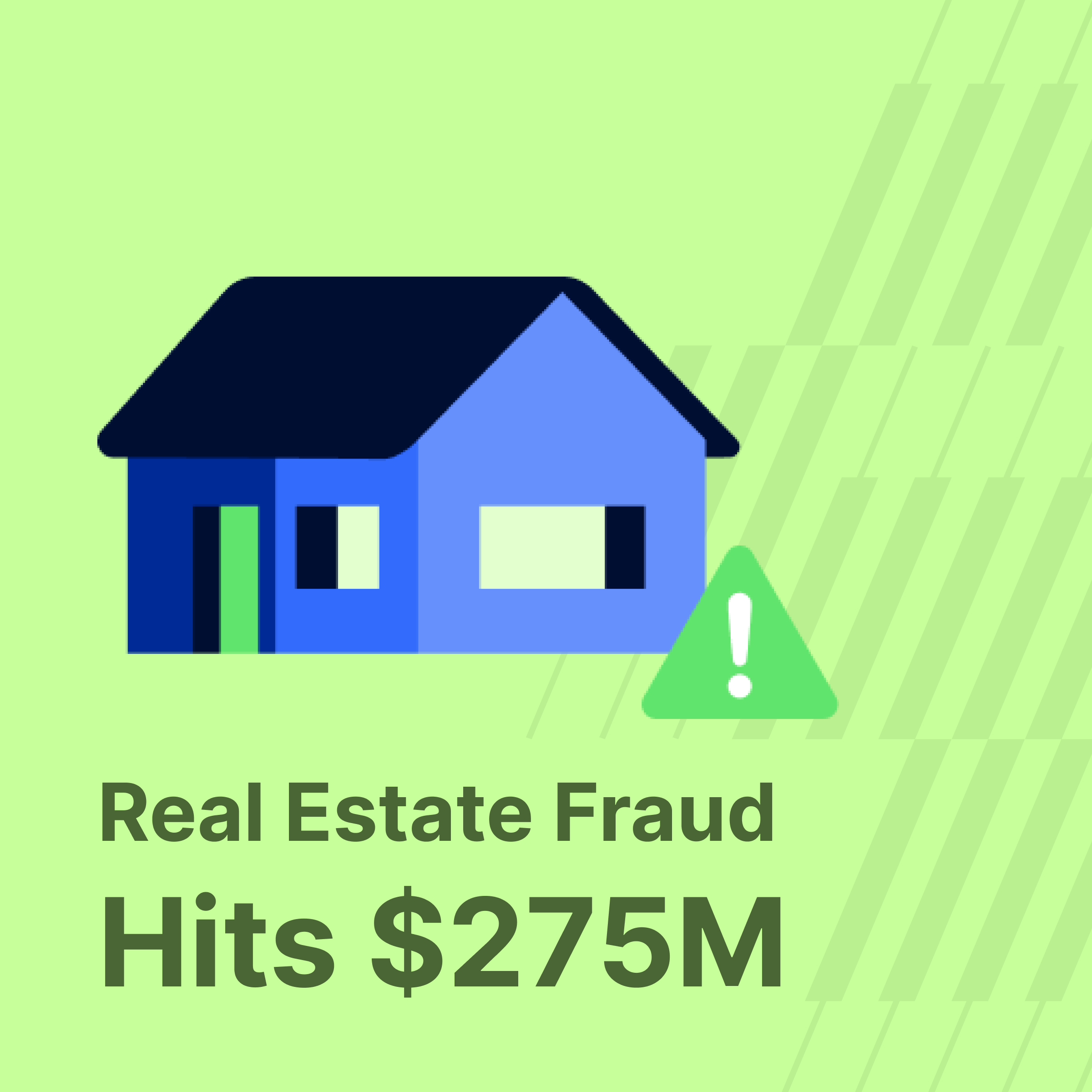
- Real estate fraud hit $275 million in 2025, a 58% increase, and AI-generated fake IDs can now pass standard paper-based verification at closing.
- Digital closings improve the client experience, which drives higher referral rates from Realtors and lenders and strengthens long-term revenue.
- Proof has processed more than $640 billion in real estate transactions, giving title companies a proven platform to replace paper workflows at scale.
Why paper closings are more expensive than they look
Paper closings appear inexpensive on the surface. No software subscription, no onboarding, no new workflows to learn. That apparent savings is a mirage.
Traditional closings bleed money in places title companies often overlook. The costs are real, they are recurring, and they add up faster than most operations teams realize.
- Shipping and courier fees: Overnight envelopes, return receipts, and last-minute deliveries accumulate month after month. A single missed delivery can delay a closing by days.
- Labor time: Staff spend hours chasing signatures, correcting errors, and coordinating schedules across buyers, sellers, lenders, and agents. That time has a dollar cost.
- Delays in funding: A missed signature or delayed notarization can derail a closing entirely, frustrating clients and jeopardizing deals that were otherwise ready to close.
- Fraud exposure: Paper-based processes lack built-in verification and tracking. That leaves title companies vulnerable to forged documents and misrepresented identities, two threats that are growing more sophisticated every year.
Each of these costs alone may feel like the price of doing business.” Together, they form a pattern of waste that eats into margins and limits growth.
What does paper closing fraud actually cost title companies?
Real estate fraud reached $275 million in 2025, up 58% from the prior year. AI tools now generate fake IDs fast enough to pass standard verification at closing, and the DOJ charged 11 people in a $17 million conspiracy that targeted elderly homeowners by stealing identities and securing hard money loans against properties the fraudsters had no claim to.
Paper processes have no mechanism to catch this. There is no biometric check, no credential analysis, no liveness detection. A forged document looks like a real document when the only verification tool is a human eye.
The liability exposure from a single fraudulent closing can exceed the cost of a digital platform subscription many times over. Title companies that rely on paper are accepting that risk without realizing it.
The financial case for digital closings
Moving closings online is a direct financial decision. When processes shift from paper and courier to digital and automated, the savings are concrete and measurable.
Proof's data shows an average cost savings of $443 per mortgage closing when title companies move to an online platform. Across a high-volume operation, that number compounds quickly.
The specific savings categories include:
- Courier and shipping fees: Eliminated entirely for digital closings.
- Error correction: Guided digital workflows reduce errors by 31%, cutting the labor cost of rework.
- Turnaround time: Closing packages move from days to hours, which keeps deals on schedule and reduces the risk of rate lock expirations.
- Fraud mitigation: Built-in identity verification and fraud signals reduce risk exposure that paper processes leave wide open.
What looks like a technology expense quickly pays for itself. Most title companies see return on investment within the first few months of adopting an online closing platform.
What to look for in an online closing platform
Title companies evaluating digital closing solutions should assess platforms against a short list of operational requirements.
- Compliance coverage: The platform must enforce state remote online notarization (RON) laws automatically. RON is now legal in 49 states and the District of Columbia, with California's permanent statute taking effect January 1, 2030. Manual compliance tracking at this scale is not viable.
- Identity verification depth: Look for platforms that perform credential analysis, biometric comparison, and liveness detection. Knowledge-based authentication (KBA) alone is no longer sufficient given the sophistication of current fraud tools.
- Integration with existing systems: The platform should connect with your loan origination system (LOS) and title production software without requiring a full workflow rebuild.
- Notary availability: 24/7 notary access matters. Closings do not always happen during business hours, and delays at the notarization step are one of the most common sources of funding delays.
- Audit trail and recordkeeping: Every closing should produce a complete, tamper-evident record that is accessible to all parties and defensible in the event of a dispute.
How Proof addresses paper closing costs
Proof was built to solve the problems that drag down paper closings. The platform has facilitated more than $640 billion in real estate transactions, giving title companies a proven foundation rather than an experimental one.
Close by Proof powers the full eClosing workflow: verifying eligibility based on property and underwriter requirements, setting up and sending closing packages, running device checks, performing identity verification, and connecting signers with notaries via video call. The Proof Engine encodes more than 4.5 million compliance rules, enforcing state laws and underwriter policies automatically so title companies do not have to track them manually.
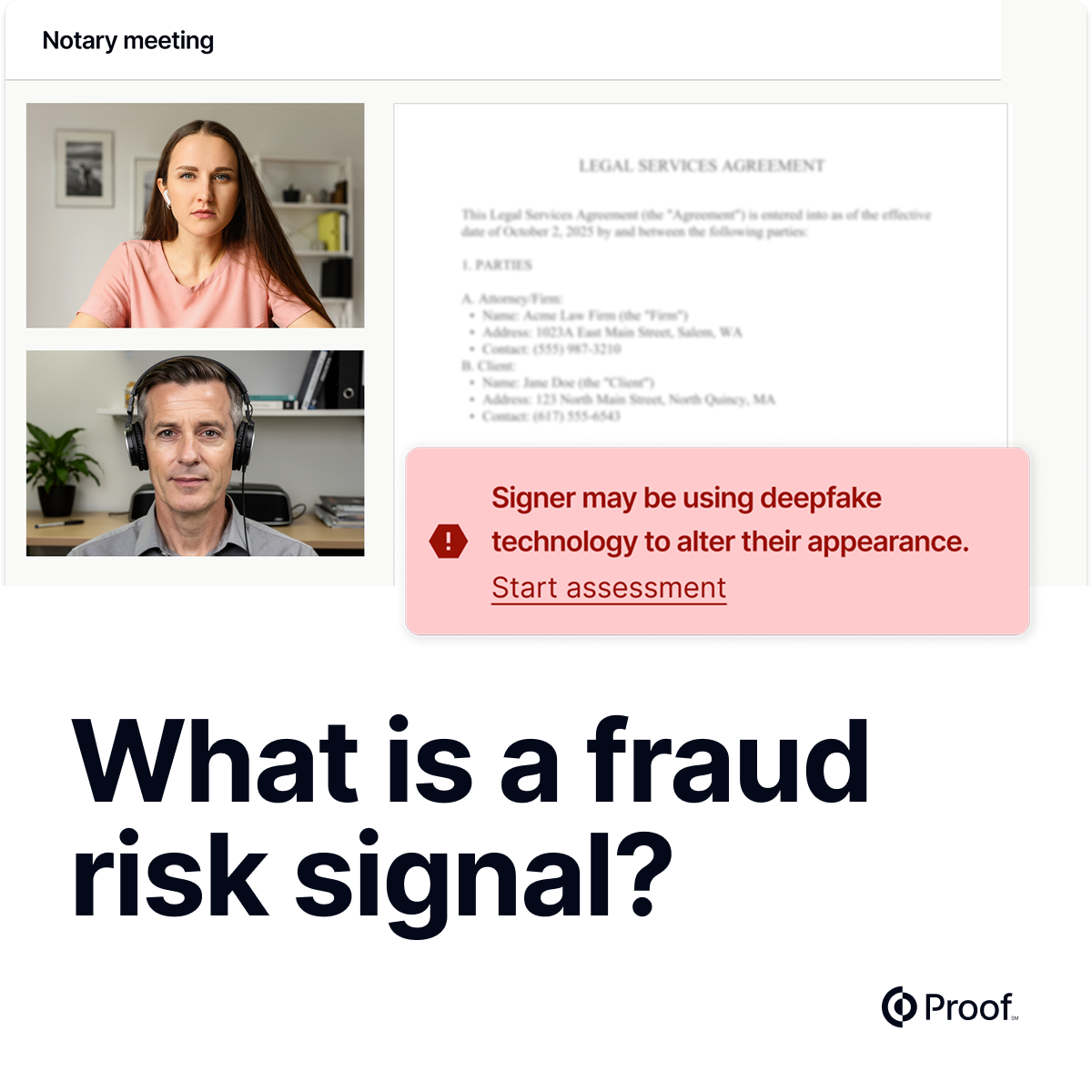
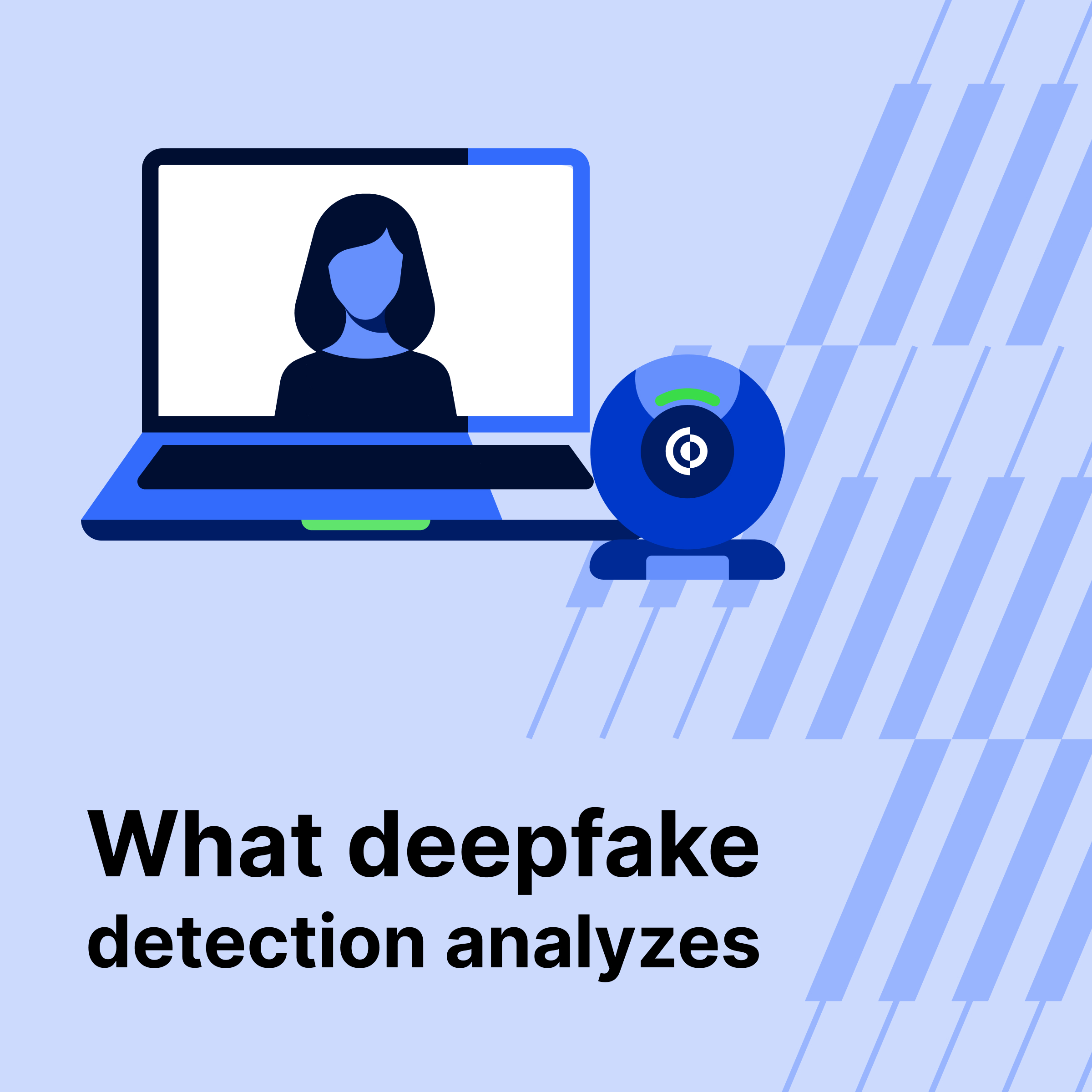
For fraud protection, Proof's Defend layer monitors transactions for forgery, impersonation, and document manipulation. Deepfake detection runs on live video sessions. Every closing produces a complete audit trail.
The result: fewer errors, faster funding, lower fraud exposure, and a client experience that drives referrals.
Paper closings are expensive in ways that do not appear on the balance sheet until it’s is too late. Title companies that continue accepting those hidden costs are making a choice, even if it does not feel like one. Online closings turn that inefficiency into a competitive advantage.
See how Proof support title companies >





















.jpg)









































.jpg)